
 https://bswcommunityservices.co.uk/wp-content/uploads/2026/03/doctor-helping-patient-rehabilitation-2000x1334-1-1000x667.jpg
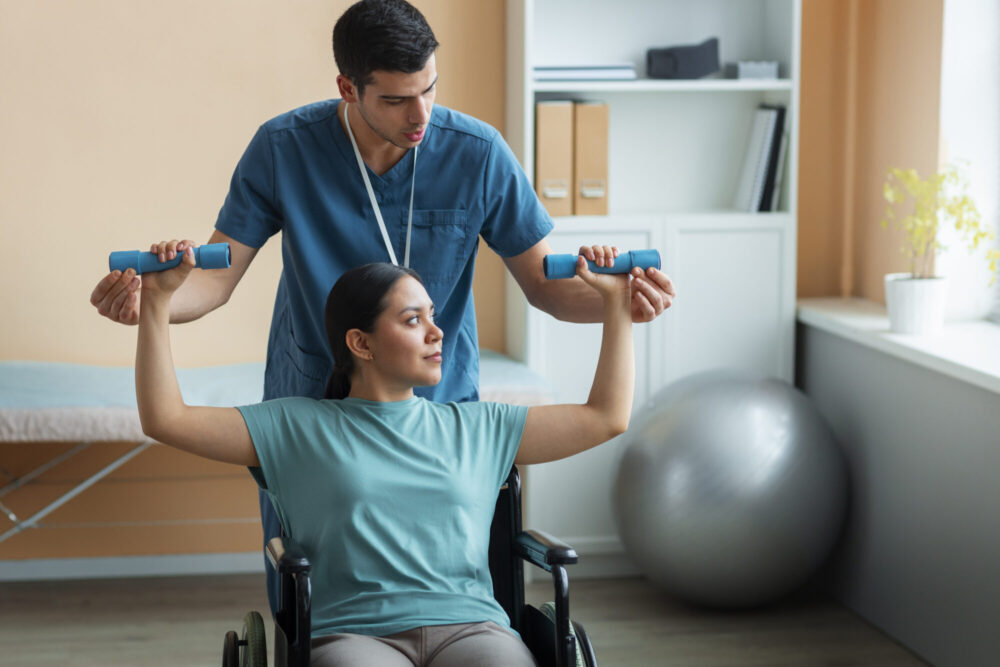
A healthcare professional assists a person in a wheelchair with lifting small dumbbells during an exercise session in a therapy room.
https://bswcommunityservices.co.uk/wp-content/uploads/2026/03/doctor-helping-patient-rehabilitation-2000x1334-1-1000x667.jpg
A healthcare professional assists a person in a wheelchair with lifting small dumbbells during an exercise session in a therapy room.
Enabling Independence and Rehabilitation
Surgery, injuries and long-term health conditions can have a big impact on how you go about your day-to-day life. They can make it harder to move around, take part in school or work activities, do daily tasks like getting dressed or even speak and think. On top of that, they can also knock your confidence and reduce your independence.
Rehabilitation helps children, young people and adults manage the ways their condition impacts their everyday lives, giving them tools and strategies to reduce the barriers they face in moving, thinking or getting things done.
With the right support and guidance, many people who need rehabilitation can manage their condition well, and live safely, independently and with dignity.
 https://bswcommunityservices.co.uk/wp-content/uploads/2026/03/business-success-concept-wooden-table-top-view-hands-protecting-wooden-figures-people-500x333.jpg
Two hands are cupped around a circle of small wooden human‑shaped figures on a wooden surface.
https://bswcommunityservices.co.uk/wp-content/uploads/2026/03/business-success-concept-wooden-table-top-view-hands-protecting-wooden-figures-people-500x333.jpg
Two hands are cupped around a circle of small wooden human‑shaped figures on a wooden surface.
 https://bswcommunityservices.co.uk/wp-content/uploads/2025/03/brain-writes-with-white-chalk-is-hand-draw-concept-500x333.jpg
A hand is held out with a glowing white outline of a brain floating above it.
https://bswcommunityservices.co.uk/wp-content/uploads/2025/03/brain-writes-with-white-chalk-is-hand-draw-concept-500x333.jpg
A hand is held out with a glowing white outline of a brain floating above it.
 https://bswcommunityservices.co.uk/wp-content/uploads/2025/03/Brain-2000x1125-1-500x281.jpg
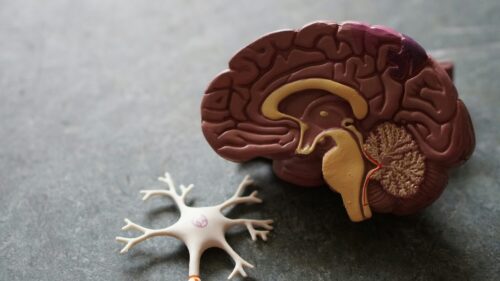
A model of a human brain sits beside a model of a neuron on a dark surface.
https://bswcommunityservices.co.uk/wp-content/uploads/2025/03/Brain-2000x1125-1-500x281.jpg
A model of a human brain sits beside a model of a neuron on a dark surface.
 https://bswcommunityservices.co.uk/wp-content/uploads/2025/03/Therapies-scaled-e1739809060804-500x310.jpg
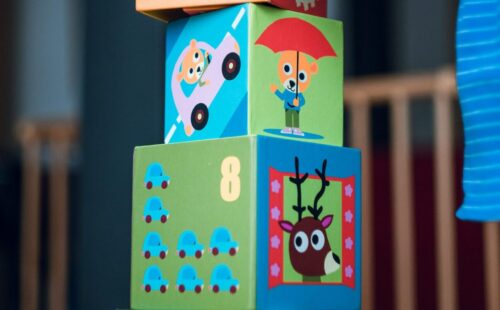
Stacked colourful toy blocks featuring pictures of animals, cars, and numbers.
https://bswcommunityservices.co.uk/wp-content/uploads/2025/03/Therapies-scaled-e1739809060804-500x310.jpg
Stacked colourful toy blocks featuring pictures of animals, cars, and numbers.
https://bswcommunityservices.co.uk/wp-content/uploads/2025/03/Therapies-scaled-e1739809060804-500x310.jpg
Stacked colourful toy blocks featuring pictures of animals, cars, and numbers.
https://bswcommunityservices.co.uk/wp-content/uploads/2025/03/Therapies-scaled-e1739809060804-500x310.jpg
Stacked colourful toy blocks featuring pictures of animals, cars, and numbers.
 https://bswcommunityservices.co.uk/wp-content/uploads/2025/03/joint-pain-500x281.png
Hands hold a knee with an overlay illustration showing the joint, muscles, and ligaments.
https://bswcommunityservices.co.uk/wp-content/uploads/2025/03/joint-pain-500x281.png
Hands hold a knee with an overlay illustration showing the joint, muscles, and ligaments.
 https://bswcommunityservices.co.uk/wp-content/uploads/2026/04/Designer-2-500x333.png
Healthcare worker supporting a working‑age person during recovery from long COVID in a home setting.
https://bswcommunityservices.co.uk/wp-content/uploads/2026/04/Designer-2-500x333.png
Healthcare worker supporting a working‑age person during recovery from long COVID in a home setting.
 https://bswcommunityservices.co.uk/wp-content/uploads/2025/03/close-up-woman-wheelchair-working-office-500x334.jpg
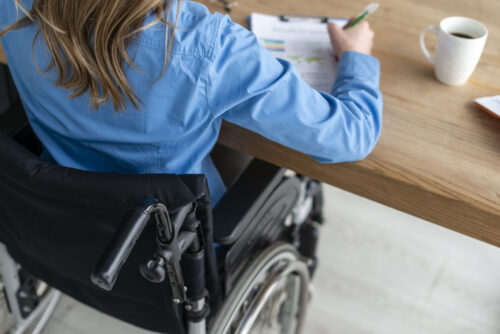
A person in a wheelchair sits at a desk writing on a clipboard.
https://bswcommunityservices.co.uk/wp-content/uploads/2025/03/close-up-woman-wheelchair-working-office-500x334.jpg
A person in a wheelchair sits at a desk writing on a clipboard.