Get involved with BSW Community Health
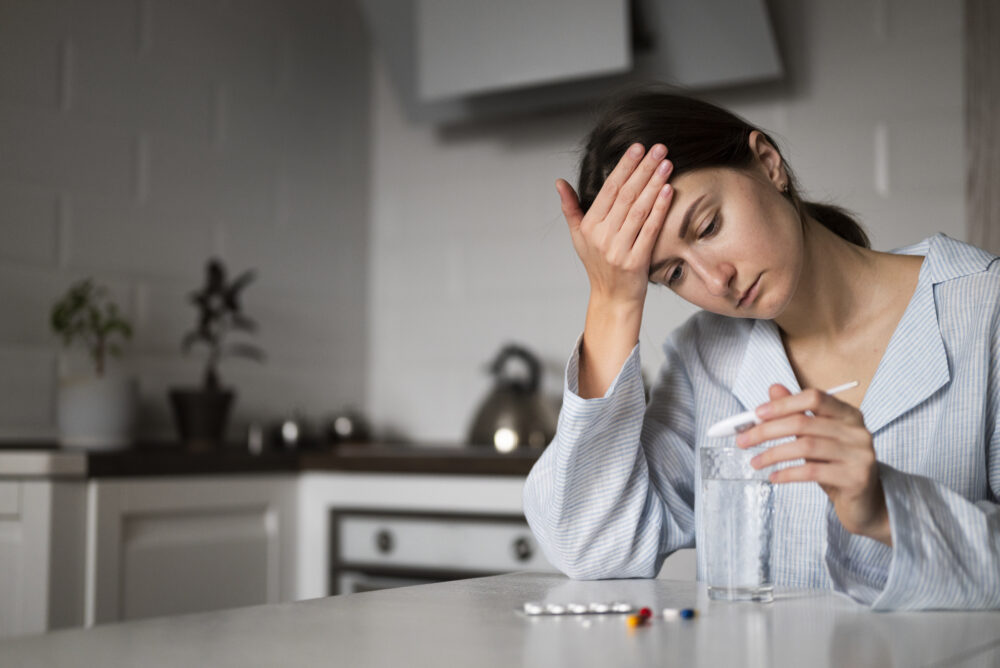
A person in pyjamas sits at a kitchen counter with a glass of water and a thermometer, appearing unwell. A person in pyjamas sits at a kitchen counter with a glass of water and a thermometer, appearing unwell.

Managing Low Blood Sugar

For:

Low blood sugars (also called hypoglycaemia or “hypos”) can be draining and exhausting. You may feel shaky, sweaty, confused or very tired. This can affect your confidence and make daily life harder.

This page explains what might be causing your hypos, and how we can help you feel safer and more in control. If you are often having hypos, or you no longer feel them coming on, get support as soon as you can.

More about managing low blood sugar

What can help with your low blood sugars

Low blood sugars can happen for many reasons, taking too much insulin or diabetes medication, taking insulin that has spoiled in the heat or cold, missing or delaying meals eating less carbohydrate than usual, being more active than normal (exercise, gardening or sex can all lower blood sugar), drinking alcohol, especially without food, illness or changes in kidney function, changes in weight, routine or stress, problems with diabetes pumps, sensors or other equipment and lumps at injection sites, which can affect how insulin is absorbed.

You can do blood sugar level check by doing a finger-prick test or you can wear technology, such as a continuous glucose monitor (CGM), to help track what’s happening with your blood sugars (glucose). Similar technology can also automatically give you insulin as you need it (it’s called hybrid closed loop therapy) if you live with type 1 diabetes.

Not everyone with diabetes needs to check their blood sugar continually, only if you take certain medications. You can find out if you're eligible for continuous glucose monitoring by checking information on Diabetes UK (see link on this page).

If you’re often having low blood sugars, or you can’t tell when they’re coming on, talk to us to get priority support. Our specialist nursing team for diabetes can review your insulin doses or medicines, and help you understand your glucose readings and patterns.

Other things you can try today, if your blood sugars drop too low, usually below 4mmol/l, stop what you are doing and eat or drink 15-20g of fast-acting carbohydrate. Wait 10-15 minutes and test again. Repeat until you have recovered and blood sugars back above 4mmol/l.

Always carry glucose tablets or jelly sweets with you (or other kinds of hypo treatment).
If you have a Libre or CGM alarm, set it a little higher (around 5.5 mmol/L) so you can act sooner if your blood sugars drop. Try not to skip meals – and regularly eat carbohydrates, check your glucose using a monitor before driving, record when hypos happen (and why, if you can tell) and check your skin for lumps where you inject. If you feel any lumps, reduce your insulin doses a little (by 20%) and inject in a different place.

Questions and answers

Why am I having more hypos than usual?
This might be caused by a change in your insulin needs, activity, food, illness, weather – or due to insulin dose errors. A review by specialist nurses or GP practice can help find the cause. This usually involves examining your medicines, assessing what you’re eating, and reviewing patterns in your blood sugar levels.
Do I need to tell the DVLA about hypos?
If you have severe hypos (this means that you are requiring help from someone else to help you treat it ) you must inform the DVLA. You can read the DVLA regulations in our download folder.
Can you check my insulin doses?
Yes. Our team can review your insulin or medication and help you adjust it safely.
Can you help me understand my Libre/CGM readings?
Absolutely. We’ll look at your data together and help you spot patterns.
What if I don’t feel my hypos anymore?
This is called impaired awareness of hypoglycaemia. If you have it, you’ll be at a higher risk of severe low blood sugars. Please contact us for support. We can help reduce this risk.
How much is 15-20g of fast-acting carbohydrates?
The hypo treatments listed here are just a guide and your needs may vary, five glucose or dextrose tablets, four jelly babies, a small glass of a sugary (not-diet) drink (150-200ml), a small carton of pure fruit juice (200ml), two tubes of glucose like GlucoGel or Rapilose Gel and glucose juice like Lift Shots.

Video library

Watch and follow along.

Back to top
Bath and North East Somerset, Swindon and Wiltshire Community Health
Privacy Overview

This website uses cookies so that we can provide you with the best user experience possible. Cookie information is stored in your browser and performs functions such as recognising you when you return to our website and helping our team to understand which sections of the website you find most interesting and useful.