Get involved with BSW Community Health
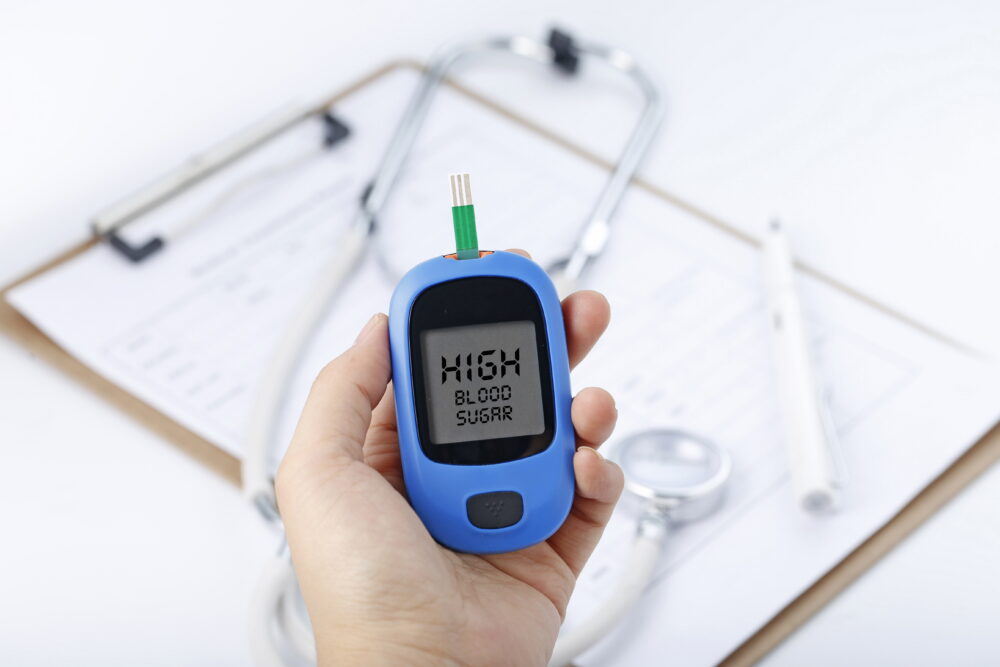
A hand holds a blood glucose meter displaying a high blood sugar reading, with medical tools on the desk behind. A hand holds a blood glucose meter displaying a high blood sugar reading, with medical tools on the desk behind.

Managing High Blood Sugar

For:

A cold, flu or infection can make your glucose levels rise, making diabetes hard to manage. This page explains why this happens, what you can do today, and when to seek help.

Seek emergency help (and call 999) if you cannot keep fluids down, or if you’re breathing fast, have stomach pain or feel very drowsy or confused, or if your blood sugars carry on being very high.

More about managing high blood sugar

What might be causing your high blood sugars when you’re unwell?

When you’re ill, your body releases stress hormones. These hormones can push your blood sugars up – even if you’re eating less than usual.

Other common causes of high blood sugars when you’re unwell include missing or reducing insulin or diabetes tablets, vomiting up your medication, not drinking enough fluids, infection, pain, or stress, not eating, vomiting, or diarrhoea that makes it tricky to dose insulin, issues with your pump or continuous glucose monitor (CGM) and steroid medicines (e.g. prednisolone).

Know the signs of an emergency: If you’re vomiting, your ketones are rising, or you can’t keep fluids down – get same-day, urgent help.

If it doesn’t appear to be urgent, you can take more steps yourself, use our handy sick day advice flowchart (below) to help adjust your insulin doses. Do not stop taking your insulin, your body still needs it when you are unwell. Check your blood sugars every 2–4 hours. If they carry on going up, get support immediately. If your glucose is 13 mmol/L or higher, see Q&A below about checking ketones. Drink small, regular sips of sugar-free liquid (aim for around 150ml each hour). If you can’t eat, drink fluids that contain carbohydrates. If you use a pump, check the set, the spot on your skin where it injects, and if the insulin is out-of-date. If you use a pump and your glucose stays high, think about changing your pump, or use an injection as a backup.

You can also create a plan for future sick days, with notes to yourself about doses, when to check ketones, when to call for help. Follow it next time you’re ill.

Contact our Diabetes Specialist Nursing team for support – we’ll help you understand your blood sugar levels, adjust your medication or insulin levels, and fix equipment issues.

Questions and answers

Do I still take insulin if I’m not eating?
Yes. Your body still needs insulin when you are ill. You may need extra correction doses and fluids that contain carbohydrates. Our team can advise you on safe dose changes.
When should I check ketones?
Ketones are created by your body when it breaks down fat to release energy. This is normal but high ketones can be life threatening. If you use insulin and your glucose is 13 mmol/L or higher, or you feel unwell, check your blood ketones if possible. You do this using strips from your GP on prescription. You will also need a special meter from your GP in order to check them safely. Follow the sick day guidance you’ve been given and contact us if your ketones are rising or you are unsure.
What are the red-flag symptoms of Diabetic Ketoacidosis (DKA) or Hyperosmolar Hyperglycaemic State (HHS)?
Seek urgent help if you have high glucose levels that won’t go down, nausea or vomiting stomach pain, fast or deep breathing, feeling very sleepy or confused, fruity-smelling breath (DKA) and extreme thirst and passing large amounts of urine (HHS). Call 111 or 999 or go to emergency care (A&E) if you notice these symptoms.
Can you help me change my pump/pen doses while I’m ill?
Yes. We can review your glucose levels and help you adjust doses safely. If your pump is not working properly, we can advise on next steps – and you may need an injection. I’m on steroids and my glucose is high — what do I do? Steroids can raise blood sugar levels. Our specialist nursing team can create a plan (unique to you) for taking your steroids safely.

Video library

Watch and follow along.

Back to top
Bath and North East Somerset, Swindon and Wiltshire Community Health
Privacy Overview

This website uses cookies so that we can provide you with the best user experience possible. Cookie information is stored in your browser and performs functions such as recognising you when you return to our website and helping our team to understand which sections of the website you find most interesting and useful.