More about bladder and bowel issues
What might be causing your bowel and bladder issue
Adults may also notice changes to their bladder or bowel habits. This might include constipation, needing to rush to the toilet, stress incontinence, or symptoms of an overactive bladder. Some people also notice bladder irritation from certain drinks or medications, or changes linked to pregnancy, menopause, reduced mobility, or long-term health conditions.
If any of these experiences sound familiar, you are not alone. With the right support, many people find ways to better understand their symptoms and feel more confident managing them.
Children, young people and adults can have bladder and bowel issues for several reasons.
Common causes include constipation, not drinking enough water during the day, drinking too many bladder irritants (caffeine like tea and coffee, energy drinks, fizzy drinks, alcohol), not having enough fibre in your diet, anxiety, stress or busy routines, not having a regular toilet habit, or regularly “holding on” when you need to go, limitations to your mobility, hormone changes, like from puberty, pregnancy or the menopause, a weakness in your pelvic floor muscles, neurological or developmental differences and side effects from any medication you might be taking.
If you or your child are having frequent bladder and bowel issues that are impacting your daily life, try some of our steps below, or seek professional support.
Things you can try today is to aim to drink between 6–8 cups of water a day. Reduce the amount of drinks that may irritate your bladder, like caffeine, fizzy drinks, blackcurrant squash and alcohol. Bladder training, where you learn ways to wait longer between needing to urinate and passing urine, for adults: try gentle pelvic floor exercises to help improve bladder and bowel control.
Eat plenty of foods high in fibre, like fruits, vegetables and whole grains, for children: try sitting on the toilet 20–30 minutes after eating meals to encourage a natural bowel reflex. Use a footstool when sitting on the toilet – this can help your bowel fully empty. Avoid “holding on” when you need the toilet, as this can make constipation worse and light daily exercise.
For bedwetting, drink at regular intervals throughout the day and avoid drinks less than an hour before going to sleep and a review of medicines that might cause constipation.

 https://bswcommunityservices.co.uk/wp-content/uploads/2026/03/sick-woman-bed-keeping-hands-stomach-suffering-from-pain-1000x667.jpg
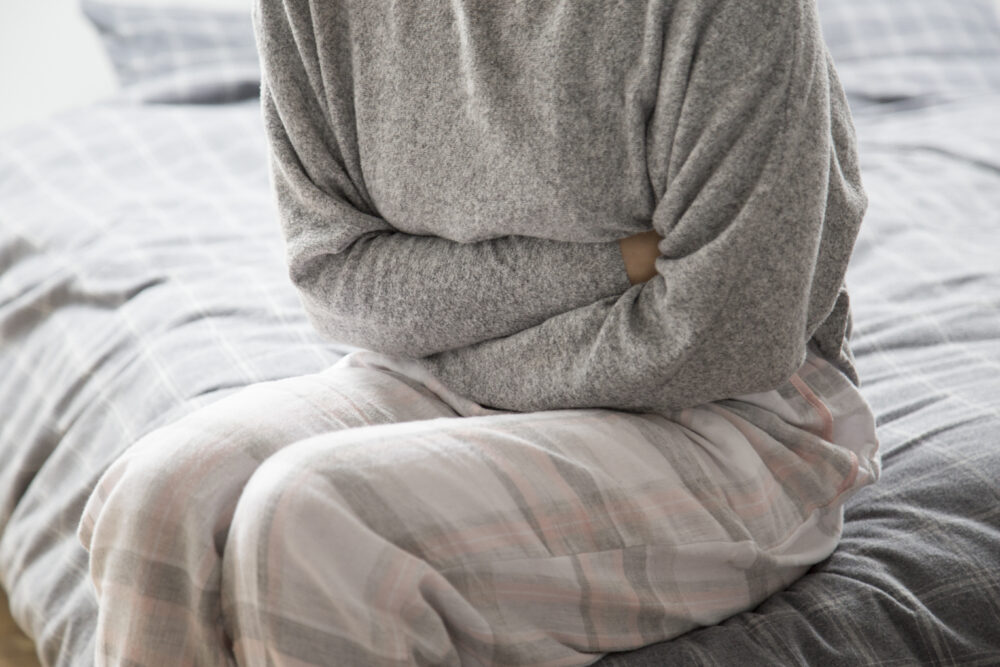
A person sits on a bed holding their stomach with both arms.
https://bswcommunityservices.co.uk/wp-content/uploads/2026/03/sick-woman-bed-keeping-hands-stomach-suffering-from-pain-1000x667.jpg
A person sits on a bed holding their stomach with both arms.