
 https://bswcommunityservices.co.uk/wp-content/uploads/2026/03/father-child-playing-with-toys-front-view-1000x563.jpg
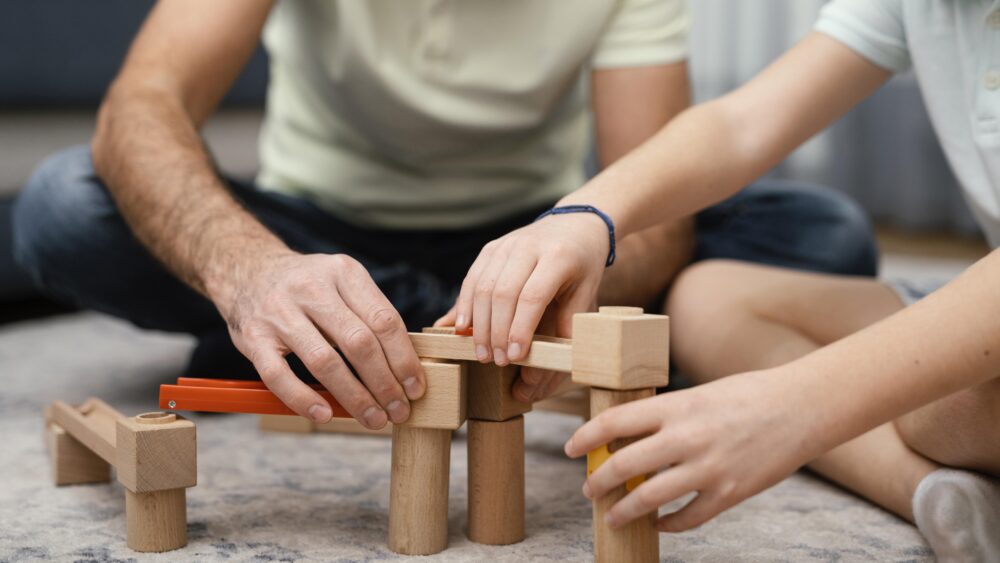
Hands build a structure using wooden blocks while sitting on the floor.
https://bswcommunityservices.co.uk/wp-content/uploads/2026/03/father-child-playing-with-toys-front-view-1000x563.jpg
Hands build a structure using wooden blocks while sitting on the floor.
Coordination and Motor Skills
Everyone wants to move easily, keep their balance, and manage everyday tasks. But for some people, these things can feel much harder or more tiring. This can be because of difficulties with their coordination and motor skills.
You might notice small hand movements feel tricky. Your “fine motor skills” affect tasks like writing, using cutlery or fastening buttons. Or you might notice issues with your bigger movements and “gross motor skills” – making it hard to keep balance, walk, climb stairs, make food or play outside. This can also affect how confident you feel when moving your body.
They can affect people of any age. Children may find tasks like handwriting, using cutlery, tying laces, doing up buttons on clothes, riding bikes or playing ball games difficult. They may appear clumsy, walking less smoothly, or finding it harder to keep up with others their age.
 https://bswcommunityservices.co.uk/wp-content/uploads/2026/03/elderly-woman-looking-her-caregiver-2500x1668-1-500x334.jpg
A seated older adult holds a walking stick while another person places a supportive hand over theirs.
https://bswcommunityservices.co.uk/wp-content/uploads/2026/03/elderly-woman-looking-her-caregiver-2500x1668-1-500x334.jpg
A seated older adult holds a walking stick while another person places a supportive hand over theirs.
 https://bswcommunityservices.co.uk/wp-content/uploads/2026/03/business-success-concept-wooden-table-top-view-hands-protecting-wooden-figures-people-500x333.jpg
Two hands are cupped around a circle of small wooden human‑shaped figures on a wooden surface.
https://bswcommunityservices.co.uk/wp-content/uploads/2026/03/business-success-concept-wooden-table-top-view-hands-protecting-wooden-figures-people-500x333.jpg
Two hands are cupped around a circle of small wooden human‑shaped figures on a wooden surface.
 https://bswcommunityservices.co.uk/wp-content/uploads/2025/03/joint-pain-500x281.png
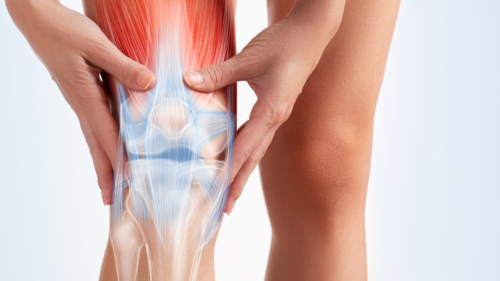
Hands hold a knee with an overlay illustration showing the joint, muscles, and ligaments.
https://bswcommunityservices.co.uk/wp-content/uploads/2025/03/joint-pain-500x281.png
Hands hold a knee with an overlay illustration showing the joint, muscles, and ligaments.
https://bswcommunityservices.co.uk/wp-content/uploads/2025/03/joint-pain-500x281.png
Hands hold a knee with an overlay illustration showing the joint, muscles, and ligaments.
https://bswcommunityservices.co.uk/wp-content/uploads/2025/03/joint-pain-500x281.png
Hands hold a knee with an overlay illustration showing the joint, muscles, and ligaments.
 https://bswcommunityservices.co.uk/wp-content/uploads/2025/03/Brain-2000x1125-1-500x281.jpg
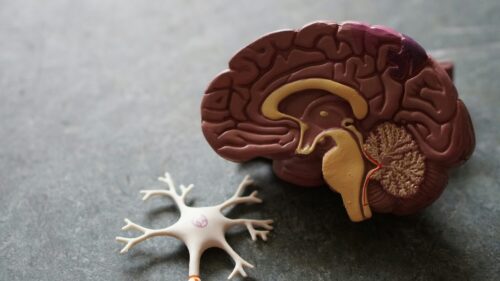
A model of a human brain sits beside a model of a neuron on a dark surface.
https://bswcommunityservices.co.uk/wp-content/uploads/2025/03/Brain-2000x1125-1-500x281.jpg
A model of a human brain sits beside a model of a neuron on a dark surface.
 https://bswcommunityservices.co.uk/wp-content/uploads/2025/03/Therapies-scaled-e1739809060804-500x310.jpg
Stacked colourful toy blocks featuring pictures of animals, cars, and numbers.
https://bswcommunityservices.co.uk/wp-content/uploads/2025/03/Therapies-scaled-e1739809060804-500x310.jpg
Stacked colourful toy blocks featuring pictures of animals, cars, and numbers.
https://bswcommunityservices.co.uk/wp-content/uploads/2025/03/Therapies-scaled-e1739809060804-500x310.jpg
Stacked colourful toy blocks featuring pictures of animals, cars, and numbers.
https://bswcommunityservices.co.uk/wp-content/uploads/2025/03/Therapies-scaled-e1739809060804-500x310.jpg
Stacked colourful toy blocks featuring pictures of animals, cars, and numbers.