Questions and answers
What are the early signs of dementia?
Early signs can look different for each person. Some people notice changes in memory or thinking. Others may see changes in mood or daily routines.
Common early signs may include memory loss, confusion or feeling unsure about time or place, difficulty finding the right words, changes in mood, problems planning or organising tasks and finding familiar tasks harder than before.
Is all forgetfulness a sign of dementia?
No. There are a number of possible causes and many are treatable. Here are some of the most common, poor sleep, stress, anxiety, or depression, infections, such as urinary tract infections (UTIs), which can cause sudden confusion, medication side effects or interactions. stroke or reduced blood flow to the brain, long-term health conditions, including diabetes or heart disease, head injury or trauma, vitamin deficiencies, dehydration, or poor nutrition, thyroid problems or metabolic conditions, alcohol or substance misuse and age-related changes in thinking or memory.
An assessment can help understand what may be causing the changes.
How is dementia diagnosed?
Dementia is diagnosed through a careful assessment by a health professional.
This may include questions about your memory and daily life, reviewing your medical history, memory and thinking tests, blood tests and sometimes a brain scan.
These checks help understand what might be causing the symptoms and what support may help.
Can dementia be cured?
Dementia cannot currently be cured. However, treatment and support can help manage symptoms and slow down their progression.
What should I do if I’m worried about my memory?
If you are concerned about your memory, it is a good idea to speak to a GP.
Early checks can help identify treatable causes or provide the right support sooner. Early diagnosis can also help you to plan ahead and access services that support your independence and wellbeing.
How can I support someone with dementia?
Supporting someone with dementia often means creating a calm and predictable environment.
I can help to speak clearly and calmly, keep routines consistent, offer reassurance, break tasks into smaller steps and keep the environment safe and familiar.
Small changes can make everyday life easier and more comfortable
Do lifestyle changes help memory?
Yes. Healthy habits can support brain health. You can try to stay physically active, eat a balanced diet, drink enough fluids, get regular sleep, stay socially connected and take part in activities that keep your mind working, such as puzzles, reading or hobbies.
These habits help keep the brain healthy and support your overall wellbeing.
Is dementia hereditary?
Most types are not directly inherited. Some rare forms have a genetic link, but most dementia develops because of other factors.
Can medication help?
Some medicines can help manage symptoms or (for certain types of dementia) slow down the speed that dementia gets worse. A clinician will advise you on whether medication may be helpful for your situation.
How can the home be made safer?
Small changes around the home can help support a person’s memory and independence.
For example, clear labels on cupboards or drawers, calendars or whiteboards for reminders, good lighting throughout the home, removing clutter or trip hazards, installing grab rails where needed and keeping important items in consistent places
These changes can reduce confusion and lower the risk of falls.
What support is available for carers?
Caring for someone with dementia can be rewarding, but it can also feel challenging. Carers and family members may benefit from support, such as carer assessments, respite services, support groups and help from community teams.
Together these can offer carers practical help, emotional support and advice.

 https://bswcommunityservices.co.uk/wp-content/uploads/2026/03/elderly-man-confronting-alzheimer-disease-1000x667.jpg
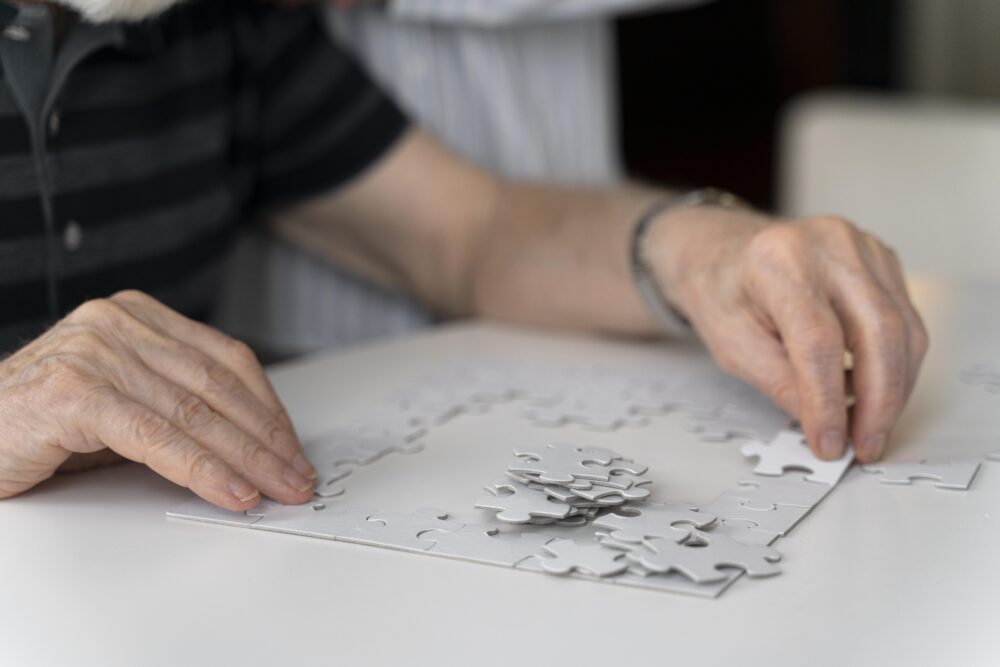
Hands working on a light‑coloured jigsaw puzzle on a table, suggesting a calming, cognitive‑support activity.
https://bswcommunityservices.co.uk/wp-content/uploads/2026/03/elderly-man-confronting-alzheimer-disease-1000x667.jpg
Hands working on a light‑coloured jigsaw puzzle on a table, suggesting a calming, cognitive‑support activity.
 https://bswcommunityservices.co.uk/wp-content/uploads/2026/03/business-success-concept-wooden-table-top-view-hands-protecting-wooden-figures-people-500x333.jpg
Two hands are cupped around a circle of small wooden human‑shaped figures on a wooden surface.
https://bswcommunityservices.co.uk/wp-content/uploads/2026/03/business-success-concept-wooden-table-top-view-hands-protecting-wooden-figures-people-500x333.jpg
Two hands are cupped around a circle of small wooden human‑shaped figures on a wooden surface.
 https://bswcommunityservices.co.uk/wp-content/uploads/2025/03/Brain-2000x1125-1-500x281.jpg
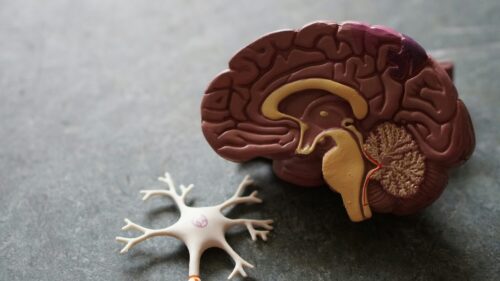
A model of a human brain sits beside a model of a neuron on a dark surface.
https://bswcommunityservices.co.uk/wp-content/uploads/2025/03/Brain-2000x1125-1-500x281.jpg
A model of a human brain sits beside a model of a neuron on a dark surface.
 https://bswcommunityservices.co.uk/wp-content/uploads/2025/03/2-500x281.jpg
Two people wearing lanyards sit at a table, with one holding a tablet during a discussion.
https://bswcommunityservices.co.uk/wp-content/uploads/2025/03/2-500x281.jpg
Two people wearing lanyards sit at a table, with one holding a tablet during a discussion.