
15 Steps to Ageing Well
Getting older can bring changes to your health. Small steps can make a big difference to how well you feel and how independent you stay.
This guide shares simple ways you can look after your health and wellbeing as you age. Many of these steps are things you can start at any time. If you need extra support, there are also services that can help.
Follow these steps
Step 1
Get your vaccinations
Vaccinations help protect you from serious illness, hospital admission and complications from infections. This is especially important as you get older or if you have a long-term condition.
You may need vaccinations because:
- You’re becoming more vulnerable to illness as you get older.
- There are viruses that spread in winter, such as flu.
- As you get older, infections such as flu, pneumonia and shingles can cause more complications – and are preventable with vaccines.
Self-care
You can check which vaccines you are eligible for and book through the NHS App, by calling 111, or by speaking with your local pharmacy.
If you have missed vaccines such as shingles, pneumococcal or adult boosters, you can ask your GP or pharmacist about catch-up options.
Who to ask for help
- Your community pharmacy
- Your GP (they’ll help you assess what vaccinations you’re eligible for, and offer support if you’re housebound)
- NHS 111 / NHS App for booking here
- HCRG community services where they run local vaccination sessions across BSW
Step 2
Prevent falls
Falls are common as you age, but not inevitable. If you fall, you can get injured, and being at risk of falling might affect your confidence and independence, but there are steps you can take to reduce the risk.
You may need to prevent falls because of:
- Balance or muscle weakness
- Eyesight or hearing problems
- Unsafe footwear or hazards at home
- Side-effects from medicines
- Long-term conditions such as Parkinson’s or dementia
Self-care
- See our ‘Steady Steps’ guidance on this website
- Stay active with strength and balance exercises
- Consider new footwear – avoid loose slippers and choose supportive, well-fitting shoes
- Get your vision and hearing regularly checked – so you get updated prescriptions
- Reduce any home hazards (such as clutter, loose rugs, poor lighting) and consider installing night lights and rails you can grab on stairs, showers and other helpful spots.
- Ask a health professional for a review of your medicines if you feel dizzy or drowsy
Who to ask for help
- Visit ‘Steady On Your Feet’ on this website here
- See your community pharmacy or GP to ask for a medication review, especially if you are on many medicines.
- The HCRG community therapy/falls team
- NHS 111 for non-life-threatening injury, 999 for emergencies
Step 3
Check your hearing
Hearing loss can affect your communication, confidence and independence. It may also increase your risk of falling, or make you feel alone even when around friends or family. It can also play a part in dementia. Early testing helps, so you can get the support you need.
You may need help with hearing for a number of reasons:
- Your hearing has changed as you’ve got older
- You’ve been exposed to a lot of loud noise over time
- Earwax has built-up in your ears
- You have an ear infection
- Medicines are having a side effect
- You’ve experienced sudden hearing loss
Self-care
- Book an NHS hearing test through your GP.
- Go to a large pharmacy or optician with a hearing clinic.
- Try the RNID (Royal National Institute for Deaf People) online check to see if you need a full test .
- Avoid inserting objects into your ear
- Try olive oil drops to unblock earwax (if earwax is the problem)
Who to ask for help
- RNID hearing test here
- Community audiology in a pharmacy or optician
- RNID (Royal National Institute for Deaf People) resources
- Your GP (they can refer you to Audiology)
Step 4
Keep warm and well
Everyone needs to keep warm, especially as you get older. When you’re inside, the temperature needs to be around 18°C (or a little higher). If you have a colder home, you will more likely to have a heart attack, stroke, respiratory illness or a fall.
You might need to keep warm because
- Your home has a low temperature
- Your home has poor insulation
- You financial pressures make it difficult to turn on the heating
- You are in an area facing cold-health alerts (usually between Nov–Mar)
Self-care
- Heat the rooms you use to 18°C or higher
- Wear layers
- Keep bedroom windows closed at night
- Keep plenty of medicines and food at home
- Plan ahead for bad weather
- Get winter vaccinations
- Check whether you can apply for financial help and the Priority Services Register (energy/water)
Who to ask for help
Step 5
Get ready for winter
Winter illnesses and bad weather can make it harder to avoid getting ill. Planning ahead can help you stay well and avoid stress in a season when health services will be under pressure
You might need to plan for winter because:
- Cold and wet weather can lead to illnesses
- Health services may be under pressure – and can close for periods
- More illnesses spread in winter
Self-care
- Have your vaccinations up to date
- Keep well stocked with your regular medication
- Have all you need to care for yourself at home (pain relief, cold and sore throat remedies, thermometer and a big bottle of water in case the water supply is interrupted. )
- Know how to use NHS 111 online/phone; keep emergency numbers visible
Who to ask for help
- Your community pharmacy (this is your first place to contact)
- Your GP (for repeat prescriptions and remote consultations)
- NHS 111 for urgent advice; 999 for emergencies
Step 6
Eat well and drink plenty
Eating well and drinking enough fluids helps support your energy levels, wound healing, immunity to illness and your brain activity. As we get older, it’s common for people to not drink enough or get enough nutrition, but this is preventable.
Reduced appetite, dental problems, difficulty shopping/cooking, isolation; a diminished thirst response elevates dehydration risk
Self-care
- Follow the Healthy Eating guide
- Aim for 6–8 drinks a day (this can include water, milk, tea or coffee, not alcohol)
- Check for signs of dehydration such as dark urine, dizziness or constipation
- Eat energy-rich snacks and fortified foods if you notice you’re losing weight unintentionally – and keep simple records of what you eat here.
Who to ask for help
- Your community pharmacy (they can help with staying hydrated and nutrition advice)
- Your GP
- Contact our BSW Community Health Service here
Step 7
Get Bladder and bowel problems checked out
Bladder and bowel symptoms are common and often treatable. They might be affecting your dignity, skin health, sleep or risk of falling, but support is available.
What might be causing this need
- Stress incontinence (when it’s hard to control your bladder or bowel)
- Urge incontinence (sudden or intense urge to urinate)
- Urinary retention (being unable to fully empty your bladder)
- UTIs (urinary tract infections)
- Constipation
- Diarrhoea
- Pelvic floor weakness (leaving your bladder or bowel unsupported)
- Medicine side effects
- Neurological disease
Self-care
- Try pelvic floor exercises
- Practise bladder training
- Try to change how much you’re drinking
- Reduce caffeine and alcohol
- Eat fibre to help with constipation
- Use continence pads/skins barriers for temporary support
- Look after your skin (with care products if necessary)
Who to ask for help
- Your community pharmacy (for continence products and UTI self-care)
- Your community HCRG continence service
- Your GP
Step 8
Look after your mental health
Feeling low, stressed or lonely is a common issue for many people. But there are simple steps and support available that can help at any stage of life.
Your mental health might need support because of:
- Life events such as bereavement
- Physical illness
- Isolation
- Money worries
- Caring duties
- Winter months that worsen mood
Self-care
- Try the mental health plan for personalised tips here
- Stay active
- Keep a daily routine
- Spend time with people, especially those you trust
- Get enough daylight and sleep
- See guidance for carers here
Who to ask for help
- NHS Talking Therapies – you can refer yourself to this, and older adults will benefit as much as other age groups.
- Your GP
- NHS 111 for urgent advice
- Local crisis line if you’re at immediate risk
- MIND
Step 9
Look after your brain
Most of us don’t realise our brains need looking after – but what’s good for your heart is good for your brain. Some factors in dementia are within your control, and by looking after your brain, you can delay its onset.
You may need to take extra steps to look after your brain if you have:
- Hypertension (or high blood pressure)
- High cholesterol
- Diabetes
- Smoking
- Inactivity
- Hearing loss
- Untreated vision loss
- Social isolation
- Depression
- Air pollution
- Too much alcohol
- A brain injury
- Obesity
- Poor diet
Self-care
- Manage your blood pressure and cholesterol
- Manage your diabetes if you’re diabetic
- Stay active
- Stop smoking
- With alcohol, drink no more than 14 units/week
- Use hearing aids and prescribed glasses/contact lenses
- Stay socially engaged
- Prioritise sleep
Who to ask for help
- Your GP (for health checks and referrals to a memory clinic)
- Your local community services (HCRG in BSW) for community rehab and support
- Your optician for hearing vision correction
Step 10
Look after your feet
When your feet are well looked after, it can be easier to stay steady on your feet, as well as avoid pain and infection. Foot problems can become more common as we get older. The good news is that many foot problems can be treated or managed with the right care and support.
You may need to look after your feet for a number of reasons, such as:
- Footwear that does not fit well or lacks support
- Skin changes such as corns or callus
- Thick or ingrowing toenails
- Joint problems such as arthritis
- Health conditions such as diabetes
Self-care
- Wash your feet daily and dry them carefully, especially between the toes
- Use moisturiser to keep the skin soft (but avoid between the toes)
- Cut or file toenails straight across
- Wear supportive, well-fitting shoes with a secure fastening and plenty of space for your toes
- Seek professional advice if you notice painful corns, callus, or ingrowing nails, or if you have diabetes or circulation problems
Who to ask for help
- Community podiatry (for those at higher risk of complications)
- Age UK foot care
- Pharmacy for foot-care products
Step 11
Look after your eyes
We need to look after our vision for several reasons, especially as we get older, and if we are at risk of age-related eye conditions, diabetes, or have a family history of conditions such as glaucoma.
Regular eye checks can help detect problems early, often before you notice any changes in your vision.
Self-care
- Get regular eye checks (at least every 2 years) can help detect problems early, often before you notice any changes in your vision. These are free from age 60 or sooner, if advised
- Use good lighting to reduce eye strain
- Reduce glare to reduce eye strain
- Keep your glasses clean and up-to-date
Who to ask for help
- Opticians (for NHS sight tests. Some will offer home visits)
- RNIB
Step 12
Look after your mouth
Looking after your mouth and teeth can make a big difference to your comfort and overall health – preventing pain, infections, poor nutrition and if you’re a little frailer it can even prevent chest infections.
Dry mouth (when your mouth doesn’t make enough saliva) is also common as a side effect of certain medicines – and you may need to take extra care of your mouth if this affects you.
You might need to look after your mouth because you:
- Are not brushing teeth or dentures regularly
- Are eating or drinking lots of sugary foods and drinks
- Have dentures that do not fit well
- Have dry mouth caused by medicines
- Have health conditions that make brushing or denture care harder
Self-care
Small daily habits can help keep your mouth healthy and comfortable:
- Brush your teeth twice a day using fluoride toothpaste
- Clean your dentures every day and remove them overnight
- See a dentist regularly, following the advice your dentist gives about check-ups
Who to ask for help
- NHS dentist
- Pharmacy for dry mouth products
- 111 for urgent dental care out of hours
Step 13
Make your home safe
Falls and injuries can happen anywhere – and many happen at home. Small changes around the home can make a big difference. They can help reduce the risk of falls and support you to stay safe and independent.
You may need to make your home safe if it has:
- Clutter or items left on the floor
- Poor lighting
- Loose rugs or mats that can slip
- Stairs or showers without handrails
- Slippery bathrooms
- Paths and steps that aren’t even or looked after
Self-care
Create a checklist of safety measures:
- Check your home for trip hazards and remove clutter from floors and walkways
- Make sure lighting is bright enough, especially on stairs and in hallways
- Fit handrails on both sides of the stairs if possible
- Use non-slip mats in the bathroom or shower
- Keep paths and steps clear and well maintained
You might also find it helpful to:
- Ask your local fire service about a free home safety check
- Make sure you have working smoke alarms and carbon monoxide alarms
- Keep important or emergency phone numbers somewhere easy to see in case you need help.
Who to ask for help
Step 14
Keep active
Staying active can help you feel stronger and more confident in daily life. Regular exercise supports your heart, brain and balance, and it can also help reduce the risk of falls.
If you aim for physical activity on most days, it can make a real difference – start gradually and build up the habit over time.
You might need to take steps to stay active because you:
- Are used to a less active routine
- Find it painful to move and stay active
- Are worried about falling
- Need to build up your confidence
Self-care
- Aim for around 150 minutes of moderate activity each week, or what feels comfortable for you
- Do strength-building activities at least two days a week
- Work to improve your balance daily, if you’re an older adult
- Break up long periods of sitting by standing or moving around
- Build up your activity gradually
- Choose activities you enjoy, such as walking, gardening or swimming. Doing something you like makes it easier to keep active.
Who to ask for help
- Exercise groups in your community
- Falls groups in your community
- Your community physiotherapist can offer tailored advice
Step 15
Talk about your medicines
Many people take several medicines to manage different health conditions. These may help you stay well and independent, but taking many medicines may have side effects.
It may increase the chance of side effects, falls, confusion, or the need to go to hospital.
Reviewing and talking about your medicines regularly can help make sure each medicine is still right for you and working safely.
You might need to talk about your medicines if:
- You’re taking 10 medicines of more
- You’ve had a fall recently
- You’ve been admitted to hospital recently
- You’ve taken sedatives
- You’re taking pain medicines
- Different medical professionals are prescribing you different medicines.
Self-care
- Keep an up-to-date list of the medicines you take
- Take medicines as you’re instructed by professionals
- Don’t stop taking medicines without taking clinical advice
- If you’ve just started a new long-term medicine, ask your pharmacist about the New Medicine Service (NMS) – they’ll be able to offer support
Who to ask for help
- Your community pharmacy – for the New Medicines Service (NMS), help with side-effects, or interactions between medicines. They can also often speak with your GP.
- Your GP practice pharmacist – they can offer a medicines review
This guide helps with...
 https://bswcommunityservices.co.uk/wp-content/uploads/2026/03/full-shot-family-playing-basketball-1000x667.jpg
A group of people of different ages play basketball together on an outdoor court.
https://bswcommunityservices.co.uk/wp-content/uploads/2026/03/full-shot-family-playing-basketball-1000x667.jpg
A group of people of different ages play basketball together on an outdoor court.
Healthy Lifestyle and Wellbeing
 https://bswcommunityservices.co.uk/wp-content/uploads/2026/03/elderly-man-confronting-alzheimer-disease-1000x667.jpg
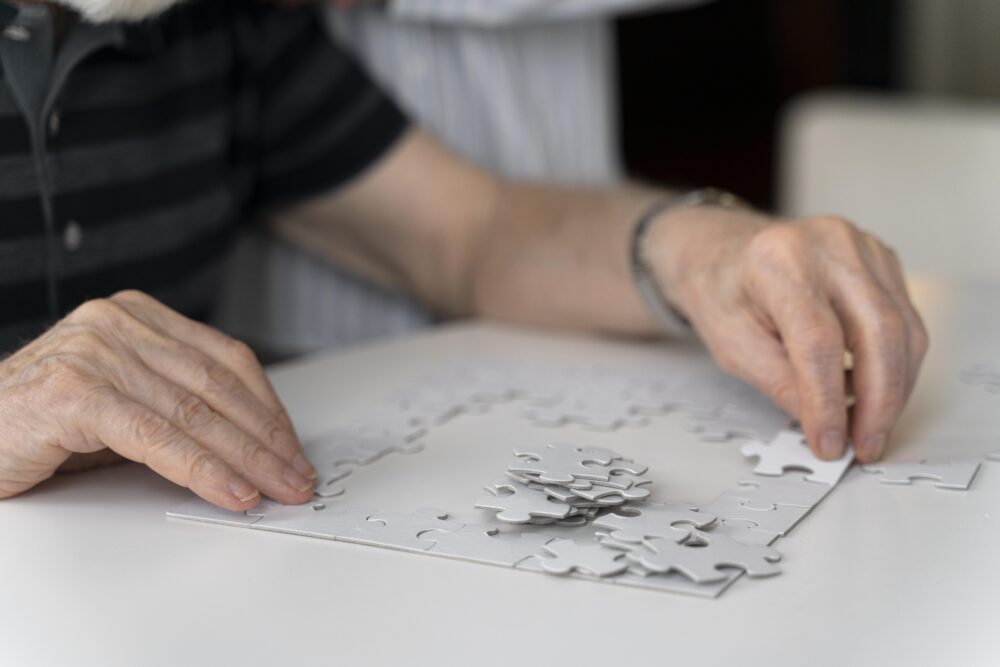
Hands working on a light‑coloured jigsaw puzzle on a table, suggesting a calming, cognitive‑support activity.
https://bswcommunityservices.co.uk/wp-content/uploads/2026/03/elderly-man-confronting-alzheimer-disease-1000x667.jpg
Hands working on a light‑coloured jigsaw puzzle on a table, suggesting a calming, cognitive‑support activity.
Memory and Dementia
 https://bswcommunityservices.co.uk/wp-content/uploads/2026/03/Designer-1000x667.png
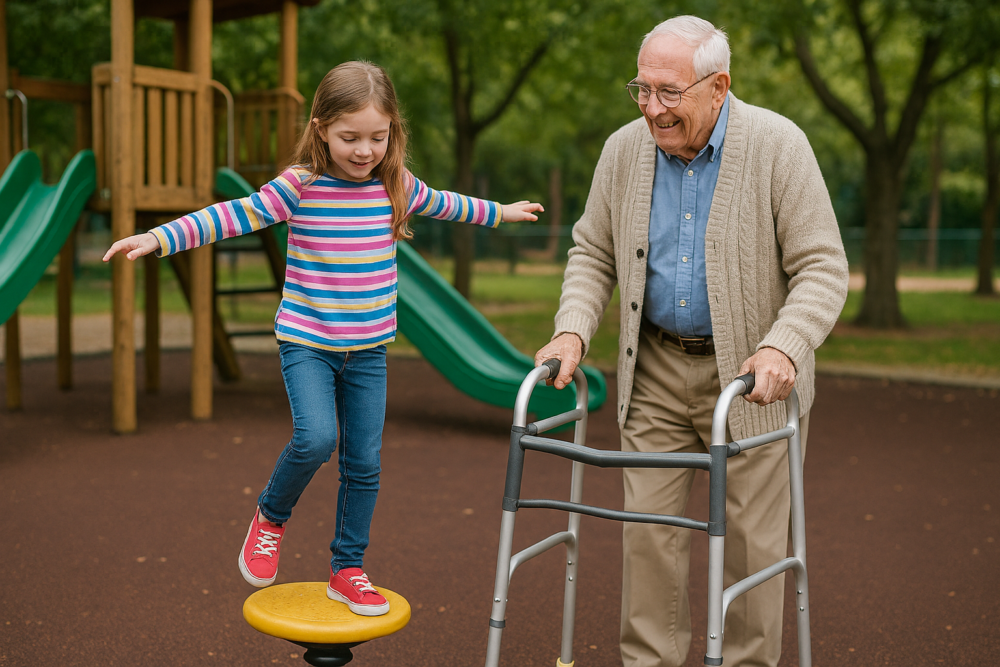
An older adult using a walking frame stands beside a young child at a playground. The child is balancing with arms outstretched on a round, yellow balance toy, with slides and wooden play structures visible in the background. Trees and soft outdoor flooring surround the scene.
https://bswcommunityservices.co.uk/wp-content/uploads/2026/03/Designer-1000x667.png
An older adult using a walking frame stands beside a young child at a playground. The child is balancing with arms outstretched on a round, yellow balance toy, with slides and wooden play structures visible in the background. Trees and soft outdoor flooring surround the scene.
Mobility and Balance
 https://bswcommunityservices.co.uk/wp-content/uploads/2026/03/people-helping-old-neighbor-1000x667.jpg
A person walks outdoors supporting an elderly person who is using a walking stick.
https://bswcommunityservices.co.uk/wp-content/uploads/2026/03/people-helping-old-neighbor-1000x667.jpg
A person walks outdoors supporting an elderly person who is using a walking stick.