
https://bswcommunityservices.co.uk/wp-content/uploads/2026/03/people-helping-old-neighbor-1000x667.jpg
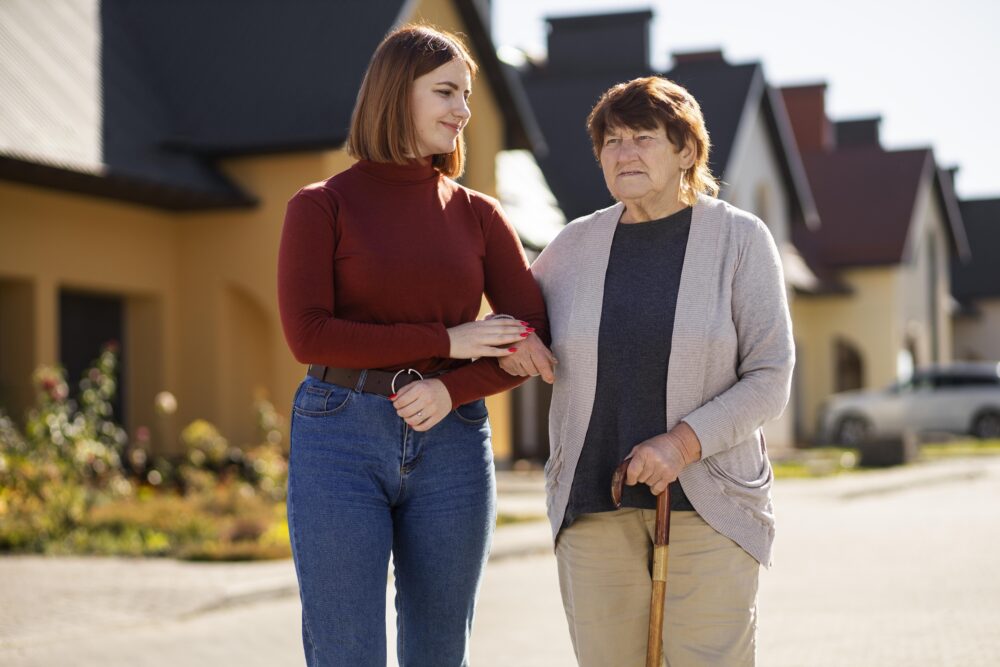
A person walks outdoors supporting an elderly person who is using a walking stick.
Preventing Falls
For: Adult
Falls can happen to anyone, but they become more common as people get older or live with certain health conditions. A fall can leave you feeling shaken or less confident about walking or moving around.
Many falls cause only minor injuries. But some can lead to broken bones, pain, or a loss of confidence. After a fall, some people start to worry about moving around on their own.
The good news is that many falls can be prevented with the right support, small changes at home, and healthy daily habits.
This page explains what might increase your risk of falling and how you can feel safer and more in control.
On this page...
More about preventing falls
Why you might be at risk of falling
You may be at higher risk of falling if your balance, muscle strength, or eyesight changes. Some medicines can also cause dizziness or drowsiness. Long-term health conditions such as arthritis, diabetes, heart conditions, or neurological conditions may also affect balance or mobility.
Your surroundings can also play a part. Poor lighting, clutter, uneven floors, or unsafe footwear can increase the chance of a fall. Preventing falls is about more than avoiding accidents. It helps you stay active, confident and independent. Early support can help you move more safely and stop small problems becoming bigger risks.
Falls usually happen because of a mix of different factors. These may include changes in your body, health conditions, medicines, or things in your environment.
The following things can often play a part, muscle weakness or poor balance, changes in blood pressure, especially when standing up, side effects from medicines, such as feeling sleepy or dizzy, foot pain or shoes that do not fit well, arthritis or stiff joints, poor vision or hearing, long-term health conditions that affect your movement or sensation, clutter, loose rugs or uneven floors at home, low activity levels that lead to weaker muscles, recent illness or infection causing temporary unsteadiness and dehydration or poor nutrition affecting concentration and strength.
Often, a fall happens because several of these things occur together. Many people worry that falling is simply part of ageing. This is not true. Most falls can be prevented with the right support. Here are a few things to consider, staying active is one of the best ways to reduce your risk of falling. Strength and balance exercises will often help to improve your stability and your confidence.
Small changes at home, too, such as improving lighting or removing trip hazards, can also make a big difference. While small habits, like standing up slowly or wearing supportive shoes, can help reduce risk. You can get health support too. Regular eye tests help you see hazards more clearly. While reviewing medicines with a clinician may reduce dizziness or side effects.
If you have fallen before, you may feel less confident walking. This is very common. With support, gentle activity and the right advice, your confidence can improve again.
Self-help
Things you can try today.
Questions and answers
Why do falls happen?
Can most falls be prevented?
What should I do if I keep feeling unsteady?
What exercises help prevent falls?
How can I make my home safer?
Do medications increase fall risk?
How does vision affect falls?
Is it normal to feel anxious after a fall?
What footwear is safest?
Should I use a walking aid?
What should I do if I’ve had a fall but feel uninjured?
Video library
Watch and follow along.
Useful links
Important:
These are sites we find useful; while we check them regularly, external sites are operated by other organisations and we aren’t responsible for their content.
Services that can help
https://bswcommunityservices.co.uk/wp-content/uploads/2026/03/business-success-concept-wooden-table-top-view-hands-protecting-wooden-figures-people-500x333.jpg
Two hands are cupped around a circle of small wooden human‑shaped figures on a wooden surface.
Provided by us
Neighbourhood Teams
View service
https://bswcommunityservices.co.uk/wp-content/uploads/2026/03/elderly-woman-looking-her-caregiver-2500x1668-1-500x334.jpg
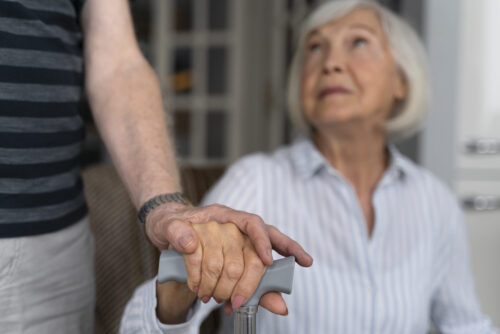
A seated older adult holds a walking stick while another person places a supportive hand over theirs.
Provided by us
Specialist Falls
View service
Give us feedback on this page
Tell us what was helpful, what was missing, or if something didn't make sense. If you'd prefer, you can also make a complaint or send us a compliment.