
 https://bswcommunityservices.co.uk/wp-content/uploads/2026/03/memory-concept-with-puzzle-pieces-1000x667.jpg
A white silhouette of a head is surrounded by colourful numbered puzzle pieces on a yellow background.
https://bswcommunityservices.co.uk/wp-content/uploads/2026/03/memory-concept-with-puzzle-pieces-1000x667.jpg
A white silhouette of a head is surrounded by colourful numbered puzzle pieces on a yellow background.
Sensory Processing
Sometimes everyday sights, sounds or sensations can feel too strong – or not strong enough. This can make daily life tiring or overwhelming.
Sensory processing is how the brain receives and responds to information from the senses – sight, sound, touch, taste, smell, balance, body awareness and internal body signals such as hunger or pain.
When the brain finds it harder to organise this information in a comfortable or typical way, people usually have sensory processing needs.
Sensory differences are common and affect everyone differently. With the right support, many people learn ways to manage their sensory needs and feel more comfortable in daily life. This page explains what might affect sensory processing and how support can help.
 https://bswcommunityservices.co.uk/wp-content/uploads/2026/03/high-angle-kid-playing-indoors-500x333.jpg
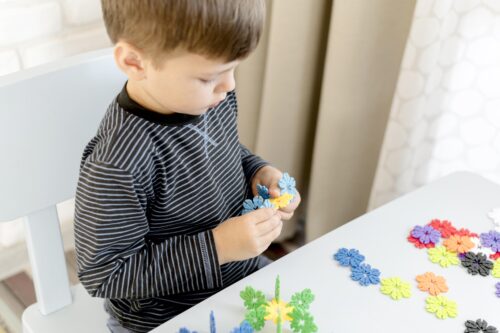
A child sits at a table assembling colourful interlocking plastic pieces.
https://bswcommunityservices.co.uk/wp-content/uploads/2026/03/high-angle-kid-playing-indoors-500x333.jpg
A child sits at a table assembling colourful interlocking plastic pieces.
 https://bswcommunityservices.co.uk/wp-content/uploads/2025/03/hand-drawn-disabled-child-friends-500x375.jpg
Children’s drawing showing three figures standing together, one seated in a wheelchair, surrounded by colourful craft materials.
https://bswcommunityservices.co.uk/wp-content/uploads/2025/03/hand-drawn-disabled-child-friends-500x375.jpg
Children’s drawing showing three figures standing together, one seated in a wheelchair, surrounded by colourful craft materials.
 https://bswcommunityservices.co.uk/wp-content/uploads/2025/03/brain-writes-with-white-chalk-is-hand-draw-concept-500x333.jpg
A hand is held out with a glowing white outline of a brain floating above it.
https://bswcommunityservices.co.uk/wp-content/uploads/2025/03/brain-writes-with-white-chalk-is-hand-draw-concept-500x333.jpg
A hand is held out with a glowing white outline of a brain floating above it.
 https://bswcommunityservices.co.uk/wp-content/uploads/2025/03/Therapies-scaled-e1739809060804-500x310.jpg
Stacked colourful toy blocks featuring pictures of animals, cars, and numbers.
https://bswcommunityservices.co.uk/wp-content/uploads/2025/03/Therapies-scaled-e1739809060804-500x310.jpg
Stacked colourful toy blocks featuring pictures of animals, cars, and numbers.
https://bswcommunityservices.co.uk/wp-content/uploads/2025/03/Therapies-scaled-e1739809060804-500x310.jpg
Stacked colourful toy blocks featuring pictures of animals, cars, and numbers.
https://bswcommunityservices.co.uk/wp-content/uploads/2025/03/Therapies-scaled-e1739809060804-500x310.jpg
Stacked colourful toy blocks featuring pictures of animals, cars, and numbers.