Questions and answers
What counts as a minor injury?
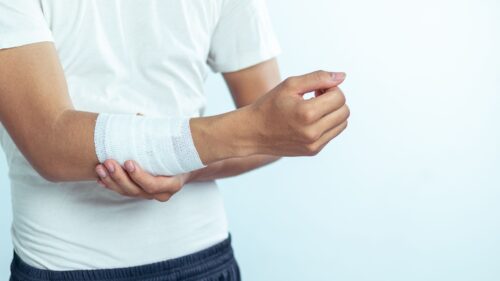
Sprains and strains - These affect muscles, ligaments or tendons. They can cause pain, swelling and stiffness, and may make movement difficult. They often happen during sport, exercise or sudden movement. Cuts, grazes, and minor wounds, including infected ones - These are small breaks in the skin caused by falls, sharp objects or everyday accidents. With gentle cleaning and a dressing, most heal well. Bites and stings - Including dog, cat and insect bites. Simple bone fractures and dislocations - You can usually access our X-ray services. Eye problems -Including scratches, foreign bodies (having something ‘stuck in your eye’), and infections. Minor burns and scalds - These can happen if your skin comes into contact with hot liquids, steam, hot surfaces or friction. Cooling the burn quickly can help reduce damage to the skin. Bruising -Bruises are caused by an impact like a knock, a fall or a bump. They’re common, especially during physical activity like sports. Minor head injuries or bumps - These are small knocks to the head without worrying symptoms. It is still important to keep an eye for any further symptoms afterwards, especially in children and young people. If you are on anti-coagulation therapy or seeing increased confusion or loss of consciousness, seek urgent medical help. Joint or muscle discomfort - Short-term aches or pains can happen after exercise, overuse or minor overstretching. Emergency contraception - While not technically a minor injury, we can provide same-day emergency contraception at a minor injury unit.
How do I treat a sprain?
Pain and swelling from a sprain often improve with simple care.
You can try the RICE approach. Rest – try not to use the injured area. Ice – hold something frozen to the injured area for around 20 minutes. Compression – press down on the injured area with a bandage. Elevation – keep the injured area raised, so it’s less likely to be knocked
Once the pain starts to settle, gentle movement can help recovery.
How do I treat a minor burn?
Cooling the burn quickly is important.
You can place the burn under cool running water for 20 minutes, remove jewellery or tight clothing near the burn, cover the area with a clean dressing and avoid using ice, creams or lotions on a fresh burn.
When should I seek help for a burn?
It is best to seek medical advice if a burn is large or blistered, affects the face, hands, feet or genitals and affects a child or older adult
If you are unsure, it is always okay to ask for advice.
How do I clean a minor wound?
You can help avoid infection by keeping a wound clean and covered.
You can rinse the wound gently under clean running water, remove any visible dirt, pat the area dry, cover the wound with a clean or sterile dressing.
What are signs of infection?
Watch for signs, such as redness spreading around the wound, swelling or warmth, increasing pain, pus or discharge and fever.
If you notice these symptoms, it is best to seek advice at a minor injury unit on the same day, if possible.
Is bruising normal after an injury?
Yes. Bruising is common and usually settles within a few days. Seek help if bruising spreads quickly or appears without a clear cause.
What if my child bumps their head?
Most head bumps are mild. It is still important to keep an eye on your child afterwards.
Seek urgent help if you notice unusual drowsiness, repeated vomiting, confusion and unusual behaviour
If you are worried, it is always okay to seek advice.
How long do minor injuries take to heal?
Healing time can vary depending on the injury.
Often you’ll find that minor burns usually heal within a few days to two weeks. Small cuts or grazes often heal within a few days
Can movement help recovery?
Yes. Gentle movement can help once the early pain has settled.
Too much rest for long periods can sometimes slow recovery. Gradual activity helps muscles and joints regain strength and flexibility.
If your initial pain does not improve, or if it increases after injury, go to your local minor injury unit.
How can minor injuries be prevented?
There are simple safety steps that can reduce the risk of injury. You can try to use protective equipment during sports. Keep play and home spaces safe and uncluttered. Wear supportive footwear. Supervise children and young people during risky activities. Maintain strength, balance and flexibility through regular activity.

 https://bswcommunityservices.co.uk/wp-content/uploads/2026/03/closeup-athletic-woman-injured-her-foot-workout-gym-1000x667.jpg
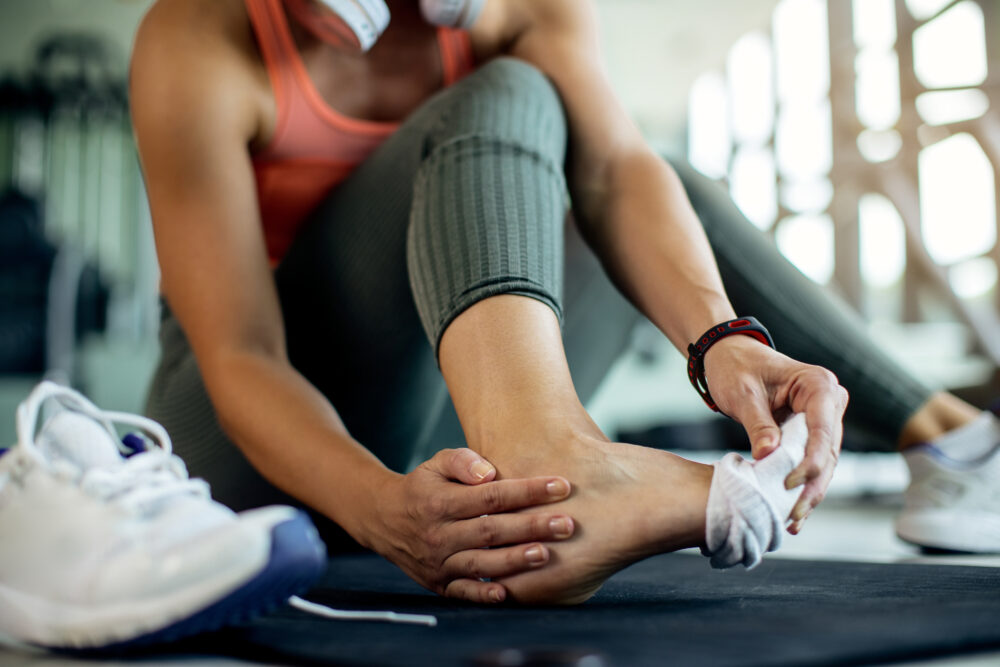
A person sitting on a gym floor holds their foot with both hands, suggesting a possible foot problem.
https://bswcommunityservices.co.uk/wp-content/uploads/2026/03/closeup-athletic-woman-injured-her-foot-workout-gym-1000x667.jpg
A person sitting on a gym floor holds their foot with both hands, suggesting a possible foot problem.