
https://bswcommunityservices.co.uk/wp-content/uploads/2026/03/people-with-home-safety-concept-1000x667.jpg
Hands wrap a bandage around someone’s knee while the person sits with the leg bent.
Looking After a Wound
For: All Age
When you get injured, it often leaves behind a wound that takes time to heal. The same can happen after surgery. Wound care helps your skin heal safely, and makes any infection or complications less likely.
Wounds can happen for many different reasons: Everyday accidents, medical treatment, long-term health conditions or pressure injuries (pressure ulcer, pressure sores or bed sores).
Some health conditions – such as diabetes, circulation problems or reduced feeling in the feet – can slow healing and increase the risk of infection, so wound care becomes even more important.
On this page...
More about looking after a wound
Why you might need support with wound care
Wounds can happen to anyone, children and young people often get wounds through play, sport or falls. These may include small grazes or deeper cuts. Adults may get wounded at work, in hobbies or accidents at home. Older adults may be more likely to develop wounds because the skin becomes thinner and more fragile with age. Pressure injuries can happen if you have difficulty moving. They usually form on bony parts of the body such as heels, elbow, hips and tailbone.
Simple steps can help wounds heal well, cleaning a wound early, keeping it clean, and practising good hygiene reduces infection risk and helps the healing begin. Staying hydrated, eating a balanced diet, keeping active and not smoking can also support faster healing. People with long-term conditions, such as diabetes, may benefit from checking their skin regularly, wearing protective footwear and seeking advice early if they notice a new wound. People with long‑term conditions (such as diabetes) benefit from regular skin checks, protective footwear, and early reporting of any new wounds.
Slow-healing wounds can sometimes feel frustrating or worrying, so emotional support can be as important as practical advice. With the right advice and support, many people can look after their wounds until they heal successfully. Minor skin injuries – include small cuts, grazes, blisters or scrapes, these usually heal well with simple cleaning and protection.
Some wounds are complex or take longer to heal, and may develop when blood flow is reduced or when someone has a long‑term condition such as diabetes. These wounds may include leg ulcers, pressure injuries or surgical wounds that need ongoing care. You may have pressure injuries if you have patches of skin that are a different colour to usual, don’t change colour when pressed, feel warm, spongy or hard, or are painful or itchy.
Some wounds get infected. Signs may include redness, swelling, warmth, pain or discharge. Infection can delay healing and may need treatment from a healthcare professional.
Some wounds are burns or scalds, caused by heat, chemicals or friction that damages the outer or deeper layers of the skin. Even smaller burns need careful care to prevent infection and support healing.
Some wounds are the result of an operation. These surgical wounds need to be monitored, protected with dressings and supported to heal safely after an operation.
Some wounds are traumatic or deeper, caused by accidents, high impacts, sharp objects or bites. These wounds may need assessment to make sure nothing is lodged in the wound, the wound is cleaned properly and deeper tissues have not been damaged.
You be at risk of wounds or complex wounds because of chronic health conditions (diabetes, circulatory issues, immune disorders, and conditions that reduce sensation in the feet); skin conditions like eczema or dry skin that make the skin break; age‑related changes like fragile or thinning skin in older adults; reduced mobility that increases pressure‑related wounds; and nutritional deficiencies, dehydration, or poor health that can slow healing.
Questions and answers
How do I know if a wound needs medical attention?
What are the signs of an infected wound?
How often should I change a dressing?
Can I clean a wound with antiseptic?
How long does a wound take to heal?
What should I do if a wound keeps reopening?
Do scars always form after a wound?
How can I help prevent wounds from happening?
Should I let a wound “air out” or keep it covered?
Is it normal for a wound to itch as it heals?
When should I worry about a wound if I have diabetes?
How do I prevent pressure injuries?
Video library
Watch and follow along.
Useful links
Important:
These are sites we find useful; while we check them regularly, external sites are operated by other organisations and we aren’t responsible for their content.
Services that can help
https://bswcommunityservices.co.uk/wp-content/uploads/2026/03/doctor-putting-bandage-patient-s-arm-500x396.jpg
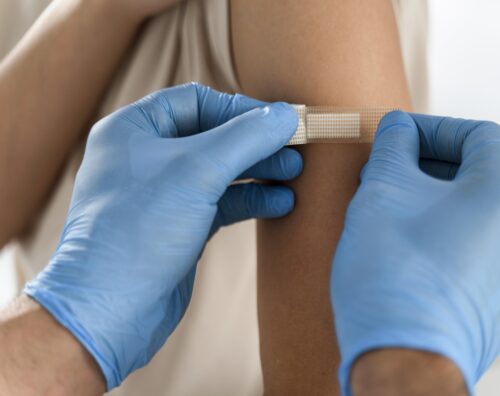
Gloved hands place a small adhesive bandage on someone’s upper arm.

Provided by us
Tissue Viability and Wound Care
View service
https://bswcommunityservices.co.uk/wp-content/uploads/2026/03/business-success-concept-wooden-table-top-view-hands-protecting-wooden-figures-people-500x333.jpg
Two hands are cupped around a circle of small wooden human‑shaped figures on a wooden surface.
Provided by us
Neighbourhood Teams
View service
https://bswcommunityservices.co.uk/wp-content/uploads/2025/03/Minor-injury-500x281.jpg
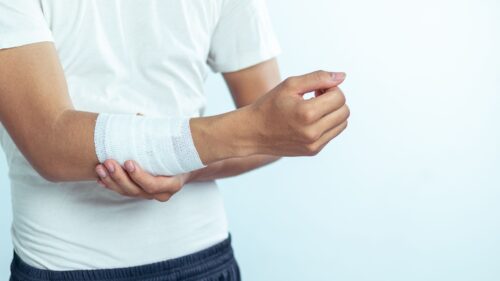
A person holds a bandaged forearm with the opposite hand.

Provided by us
Minor Injury Units (MIU)
View service
https://bswcommunityservices.co.uk/wp-content/uploads/2025/03/young-girl-pediatrician-consultation-with-her-doctor-2-500x333.jpg
A child holds a stuffed animal while a healthcare professional places a stethoscope on it.
Provided by us
Children’s Community Nursing (BaNES, Wiltshire)
View service
https://bswcommunityservices.co.uk/wp-content/uploads/2025/03/young-girl-pediatrician-consultation-with-her-doctor-2-500x333.jpg
A child holds a stuffed animal while a healthcare professional places a stethoscope on it.
Partner service
Children’s Community Nursing (Swindon)
View service
Give us feedback on this page
Tell us what was helpful, what was missing, or if something didn't make sense. If you'd prefer, you can also make a complaint or send us a compliment.