More about after a diagnosis of autism or adhd
Where else do I find support after a diagnosis?
After diagnosis, many people start asking questions such as, what support is available for me or my child, what changes might help at home, school or work, where can I learn more about neurodiversity. Community health services do not usually provide long-term post-diagnostic programmes. However, they can help direct you or your family to charities, online resources and community groups. Many people find their services very helpful.
These organisations are often a helpful first step, National Autistic Society, ADHD Foundation, Autistica, Dyspraxia Foundation, local SEND or parent-carer forums and Facebook groups (for specific conditions) or online forums. They often offer webinars and workshops, support from people with similar experiences, practical advice for adults and families, advocacy and information about rights and sensory and communication resources. With the right support and small adjustments, many people find ways that help them feel calmer, more organised, and more in control. There are many other places where you can find guidance, connection and practical support after a diagnosis.
Many local communities have groups such as, Autism‑friendly social groups, ADHD coaching or peer meet‑ups, Parent‑carer support groups, Neurodiversity activity clubs and Sensory‑friendly sessions at libraries, leisure centres or cinemas. Education settings can provide, SENCO support, personalised support plans, reasonable adjustments, sensory/environmental adaptations and pastoral support.
Employers can offer reasonable adjustments to working practice or environment, quiet spaces or flexible hours, clear expectations and written instructions, coaching and mentoring and access to Employee Assistance Programmes. You can also try some of the ideas below to see what practical strategies work best for you.
Small changes like these can make everyday environments feel easier to manage, use noise-cancelling headphones in busy or noisy places, adjust lighting, clothing or textures so they feel more comfortable for you and build regular quiet breaks into your day so your mind and body can reset.
These strategies can help make tasks feel clearer and less overwhelming. Use planners, reminders or visual timers to support your routine. Break tasks into small steps so they feel more manageable. Keep daily routines predictable where possible.
These habits can help you understand, look after and manage your emotions, practise emotional regulation techniques, such as deep breathing or grounding, use journaling or voice notes to process your thoughts and feelings, build a support network of friends, family, peer groups or therapists. Some people also find mindfulness apps helpful, such as Headspace, Calm or Moodnotes.
These are ways that some people make communication easier, use clear, direct language when expressing what you need, write things down if speaking feels harder in the moment and plan important conversations in advance.

 https://bswcommunityservices.co.uk/wp-content/uploads/2026/03/kid-doing-occupational-therapy-session-2000x1333-1-1000x667.jpg
An adult and a child sit together at a table, placing colourful stacking rings on a toy.
https://bswcommunityservices.co.uk/wp-content/uploads/2026/03/kid-doing-occupational-therapy-session-2000x1333-1-1000x667.jpg
An adult and a child sit together at a table, placing colourful stacking rings on a toy.
 https://bswcommunityservices.co.uk/wp-content/uploads/2026/03/high-angle-kid-playing-indoors-500x333.jpg
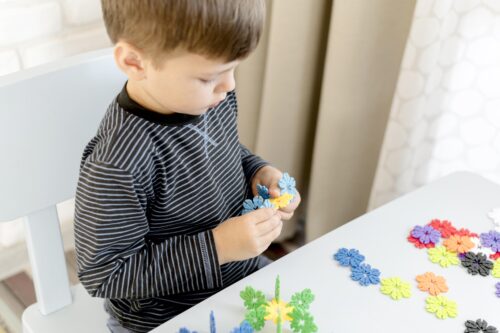
A child sits at a table assembling colourful interlocking plastic pieces.
https://bswcommunityservices.co.uk/wp-content/uploads/2026/03/high-angle-kid-playing-indoors-500x333.jpg
A child sits at a table assembling colourful interlocking plastic pieces.
 https://bswcommunityservices.co.uk/wp-content/uploads/2025/03/brain-writes-with-white-chalk-is-hand-draw-concept-500x333.jpg
A hand is held out with a glowing white outline of a brain floating above it.
https://bswcommunityservices.co.uk/wp-content/uploads/2025/03/brain-writes-with-white-chalk-is-hand-draw-concept-500x333.jpg
A hand is held out with a glowing white outline of a brain floating above it.