Get involved with BSW Community Health
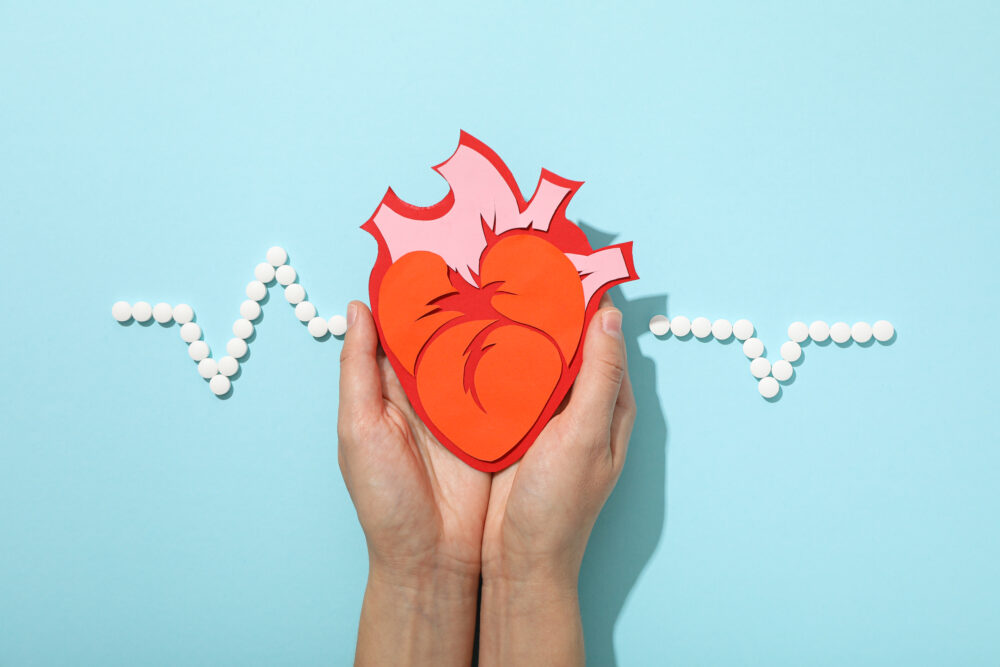
Hands hold a paper heart shape in front of a light blue background with a heartbeat line made from small white tablets. Hands hold a paper heart shape in front of a light blue background with a heartbeat line made from small white tablets.

Taking Care of My Heart

For: ,

Heart health is all about keeping your heart and blood vessels working well. We all know how important our heart is to our overall health and wellbeing, and when it’s struggling the signs are often clear – breathlessness, feeling tired all the time, and finding it hard to take part in everyday life.

Taking steps to improve and maintain your heart health can help keep you active, better manage daily tasks and reduce the risk of developing serious conditions like high blood pressure, heart disease and heart failure.

Those steps might include making diet and lifestyle changes, increasing your daily exercise, monitoring your blood pressure and weight, and taking medication.

More about taking care of my heart

Why you might need to focus on your heart health

It’s always a good idea to keep your heart healthy, but sometimes your body can give you a sign that it’s time to put a bigger focus on your heart health.

These can include, feeling breathless, especially when lying down or exercising, feeling fatigued often or like you don’t have enough stamina, swelling in your feet, ankles or legs, rapid weight gain over a few days, which can be caused by a fluid build-up, needing more pillows at night to breathe comfortably, a persistent cough or wheeze and feeling lightheaded or dizzy.

These symptoms can be a sign of heart failure. This doesn’t mean that your heart has stopped working – it means that your heart isn’t pumping blood as effectively as it should. This can leave you fatigued, breathless and struggling with daily tasks.

Getting support early can help protect your heart from long-term strain. Heart failure symptoms can be managed well with the right medication, lifestyle changes, regular health checks, giving you back your quality of life.

If you feel sudden chest pains or are unable to breathe, or you have any fainting or a rapid worsening of heart failure symptoms, call for emergency medical help.

There are plenty of steps you can take to help keep your heart healthy, setting exercise routines that fit you and your ability, keeping an eye on your blood pressure, cholesterol and weight with routine health checks, eating a balanced diet and reducing how much salt you have, cutting down on how much alcohol you drink, quitting smoking, making sure to get enough sleep each night, managing your stress and emotional wellbeing, following medical advice for long-term conditions like diabetes and If you have heart failure and you are in cardiac rehabilitation, take any prescribed heart medication regularly.

Questions and answers

What are the main signs that something might be wrong with my heart?
If something isn’t quite right with your heart health, it can show up in a number of different ways. Some key signs to watch for are feeling breathless, pain in your chest, feeling like your heartbeat is fluttering or pounding, swelling in your feet, ankles or legs, dizziness or feeling fatigued often.
How do I keep my heart healthy?
There are plenty of steps you can take to improve your heart health, and small changes in each can help make a big difference. This can include staying active, eating a balanced diet, managing your stress and sleep, monitoring your blood pressure, and cutting down on things like smoking and alcohol.
What is heart failure and can it be managed?
Heart failure might sound like your heart has suddenly stopped working, but that isn’t the case – it just means that your heart isn’t pumping blood around your body as effectively as it could or previously was. This can leave you feeling breathless, tired and less able to do day-to-day tasks. Heart failure – and cardiac rehabilitation – can often be managed well with a combination of medication, lifestyle and diet changes and regular monitoring. It’s also important to manage any other conditions you have, such as respiratory conditions.
How can I reduce my risk of heart failure?
Blood pressure, cholesterol and weight have a big effect on your risk of heart failure, so monitor these and try to keep them within healthy ranges. Increasing how active you are during the day also helps, as does limiting how much salt and alcohol you have.
What should I do if I have high blood pressure?
If you have high blood pressure, you might need to make some small lifestyle changes to help control it. Usually this involves making some heart-healthy diet swaps or increasing the amount of exercise you do. It’s important to monitor your blood pressure regularly and follow advice on any medication you’re given.
Does stress affect heart health?
Yes – regularly feeling stressed can raise your blood pressure and have an effect on heart rhythms. If you are often stressed, using relaxation techniques or strategies for emotional support can help reduce the impact on your heart. Reach out and we can help you find strategies and tools that work for you.
What foods are best for heart health?
A heart-healthy diet is a balanced one – plenty of fruits and vegetables, whole grains like brown rice and oats, nuts, oily fish and lean proteins like eggs, poultry and tofu. Try to cut back on the amount of salt, sugary drinks and processed foods in your diet.
How much exercise should I aim for?
Improving your heart health with exercise doesn’t mean you need to become an athlete overnight. You should aim for regular movement that gently raises your heart rate – like a daily walk or cycle. Start slowly and within your limits before increasing the amount gradually, especially if you’re new to exercise.
What should I do if my legs or ankles are swollen?
Swelling in your feet, legs or ankles can be caused by a circulation issue or be an early sign of heart failure. It could also be a sign you need to change your prescribed medications for heart failure. If you have new swelling or if the swelling is getting worse, arrange a check up so we can help you get to the bottom of it soon.

Video library

Watch and follow along.

Back to top
Bath and North East Somerset, Swindon and Wiltshire Community Health
Privacy Overview

This website uses cookies so that we can provide you with the best user experience possible. Cookie information is stored in your browser and performs functions such as recognising you when you return to our website and helping our team to understand which sections of the website you find most interesting and useful.