Get involved with BSW Community Health
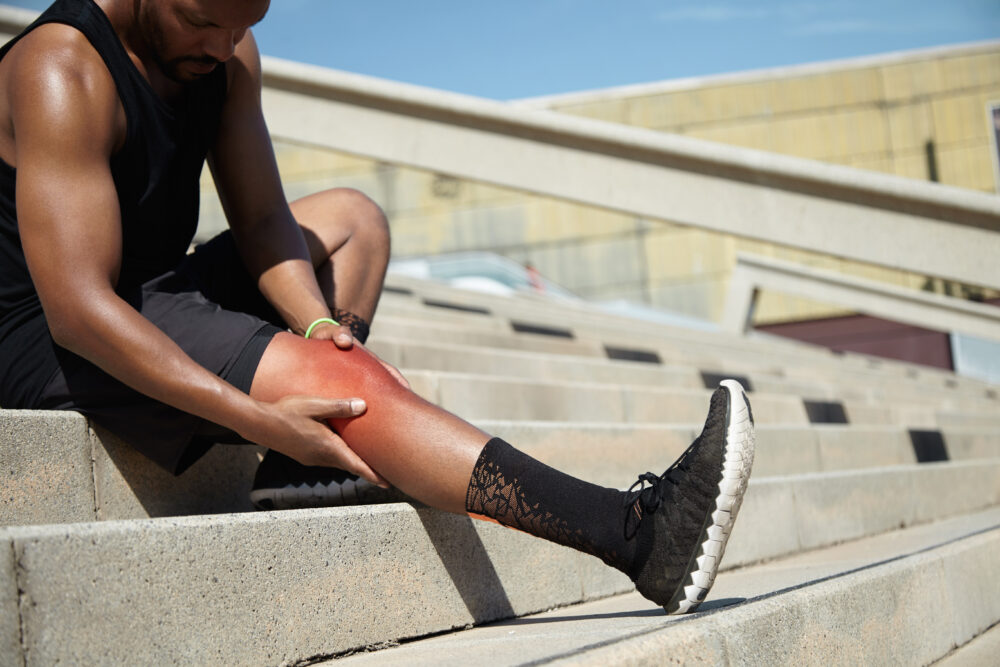
A person sits on outdoor steps holding a reddened lower leg, suggesting possible discomfort. A person sits on outdoor steps holding a reddened lower leg, suggesting possible discomfort.

Swelling (Lymphoedema)

For:

Living with ongoing swelling in your body can feel uncomfortable, heavy or frustrating. Some people notice tight skin, aching limbs, or difficulty moving as easily as they used to. These changes can naturally affect your everyday life and confidence.

One possible cause of persistent swelling is lymphoedema.

Lymphoedema is a long-term condition where fluid builds up in the body’s tissues, beneath the skin, most often in the arms or legs. This happens when the lymphatic system is not working properly. This system usually helps remove excess fluid and waste and supports the immune system. When it doesn’t, fluid collects under the skin and causes swelling, heaviness and tightness.

More about swelling (lymphoedema)

What might be causing your body to swell

Although lymphoedema cannot currently be cured, many people manage the condition well by finding the right support early and practising daily care. This can help to reduce swelling a lot, making you more comfortable and mobile. It also helps prevent complications.

There are several things that may help manage swelling and support your wellbeing, keeping the skin clean and well moisturised to reduce cracks, dryness and infection. Wearing compression garments, which help control swelling and support fluid movement. Staying active with regular movement and exercise, raising the swollen limb where possible, avoiding tight clothing, looking after your weight to keep it healthy and recognising early signs of infection and seeking treatment quickly.

Swelling can also affect your comfort, mobility, body image and emotional wellbeing – and support is available for all of this. You are not alone. With the right information and support, many people find ways to manage lymphoedema and continue living active, fulfilling lives. Swelling in the body can happen for several different reasons. Sometimes it develops slowly over time, while in other cases it may appear after illness, injury or medical treatment.

Types of swelling include, primary lymphoedema – this happens when the lymphatic system has developed differently before or after birth. The swelling may appear in childhood, early adulthood, or later in life, and often develops gradually. Secondary lymphoedema – the most common type in adults. It happens when the lymphatic system is damaged or blocked. This can occur after surgery or radiotherapy, particularly following cancer treatment. It can also develop after injury, severe infection, chronic vein problems, or long periods of reduced movement or obesity.

Limb swelling – this is persistent swelling in the legs or arms. The limb can often feel heavy, tired or tight, and it might be more difficult to move fully. Trunk, chest, head or neck swelling – In fewer cases, this kind of swelling can happen, particularly after certain medical treatments or surgeries.

Repeated infections (cellulitis) – Lymphoedema increases the risk of skin infections, because the extra fluid in the tissues can make the skin more vulnerable. Skin changes – Over time, untreated swelling may lead to changes in the skin, including dryness, thickening, folds or texture changes. Other factors that cause swelling include, circulation as it becomes less efficient with age, cellulitis or recurrent skin infections, reduced mobility, leading to fluid pooling, severe injury, burns, or scarring and medical conditions that affect circulation or immune function. Many people develop lymphoedema due to a combination of factors rather than a single cause.

Questions and answers

What is lymphoedema?
Lymphoedema is a long-term swelling condition caused by a build-up of lymph fluid when the lymphatic system cannot drain properly. It most often affects the arms or legs.
What causes lymphoedema in adults?
Common causes include cancer treatments, surgery, injury, radiotherapy, chronic vein problems, infections, reduced mobility, obesity and age-related changes.
Is lymphoedema permanent?
Yes, Lymphoedema is a lifelong condition. However, symptoms can be managed well with compression, skin care, exercise and supportive lifestyle changes.
What are the main symptoms?
Swelling, heaviness, tightness, reduced movement, discomfort, thickened skin, and sometimes repeated infections such as cellulitis. Besides swelling, people may notice, heaviness, tightness, reduced movement, discomfort, thickened skin and repeated infections such as cellulitis (which may make your skin painful, red and hot).
How is lymphoedema treated?
Treatment may include compression garments, manual lymphatic drainage (MLD), skin care routines, targeted exercise and advice on lifestyle adjustments.
Can lymphoedema worsen over time?
It can become worse if it is not managed early. Swelling may increase, skin may harden and the risk of infection can rise. Early support helps reduce these risks.
What can I do at home to help manage swelling?
You can help manage swelling by wearing compression garments in the way professionals advise you. You can also moisturise your skin daily, stay active, raise your swollen limbs, keep a healthy weight and protect your skin from injury.
Is it safe to exercise with lymphoedema?
Yes. Gentle, regular exercise can support lymphatic flow and help reduce heaviness. A healthcare professional can guide you on what kind of exercise might suit your needs.
How do I reduce the risk of cellulitis?
You can reduce the risk if you, keep skin clean and moisturised, avoid cuts and insect bites, treat wounds promptly and get early medical help if redness or heat appears.
Why are compression garments important?
Compression garments help control swelling, support lymph flow and reduce discomfort. They are an important part of managing your condition each day.
Can lymphoedema affect my daily life or emotional wellbeing?
Yes. Swelling can often affect your comfort, mobility and confidence. But with the right information, support and habits, many people find ways to stay in control and enjoy a good quality of life.
Back to top
Bath and North East Somerset, Swindon and Wiltshire Community Health
Privacy Overview

This website uses cookies so that we can provide you with the best user experience possible. Cookie information is stored in your browser and performs functions such as recognising you when you return to our website and helping our team to understand which sections of the website you find most interesting and useful.