
Get involved with BSW Community Health
A person holds a chest X‑ray up to the light while examining it. A person holds a chest X‑ray up to the light while examining it.

Keeping Your Lungs Healthy

For:

If you have trouble with your lung health, you may have breathing or chest problems that can make everyday life feel harder. You might notice that you become short of breath more easily. Or you might cough more often or feel tightness in your chest. You might also get chest infections often or have difficulty doing daily activities.

These symptoms can occur for many reasons, including asthma, COPD, long-term smoking, infections, poor air quality, allergies, or recovery after illness.

Your lungs help your body to take in oxygen – as well as get rid of air your body doesn’t need – supporting your body with everyday tasks. When your lungs are working well, you can find it easier to stay active and independent, to sleep well, recover from illness and carry on with daily life.
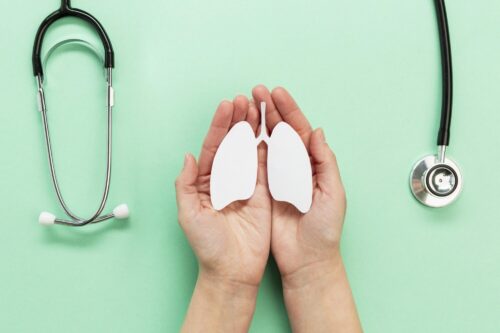
More about keeping your lungs healthy

What might help your lung health

Support is available to help you understand your breathing and find ways to feel more comfortable. With the right advice, support and healthy habits, it is often possible to improve lung health, prevent symptoms from getting worse, and carry on with daily life.

Looking after your lung health involves, learning to breathe comfortably during everyday activities, following action plans to manage conditions such as asthma or COPD, taking steps to prevent chest infections and keep airways clear and healthy, using inhalers or breathing aids in the right way, supporting recovery from illness or long-term conditions, monitoring changes in breathing and staying active without getting too breathless.

Small steps can make a real difference to how your lungs feel day to day. Here are some things you can try at home to support your lungs, stay active – Moving, even gently, helps keep your lungs strong. Walking, light exercise and everyday activity can all help. Try to pace yourself. Doing a little activity more often is usually better than pushing too hard all at once.

Use simple breathing exercises – these can help calm your breathing and ease breathlessness, slow, deep breathing through your nose, breathing out slowly through pursed lips, as if whistling and relaxation or grounding exercises to steady your breathing (see links on this page for help).

Change your environment – some environments can make breathing harder, avoid smoking and smoky environments, keep indoor spaces well ventilated, reduce dust, dampness or strong cleaning products where possible, take up healthy lifestyle habits – these also help ease the strain on your lungs, drink enough fluids, maintain a healthy weight and keep up to date with vaccinations such as flu or pneumonia vaccines (via your GP).

Monitor yourself – paying attention to changes can help you manage symptoms earlier. You might notice, more breathlessness than usual, coughing or wheezing, more mucus than usual

Take care of your mental health – a long-term condition can affect every part of your life. If you have an action plan for asthma or COPD (chronic obstructive pulmonary disease), follow the steps in that plan.

Questions and answers

Is breathlessness always caused by a lung problem?
Not always. Breathlessness can also be linked to fitness levels, heart health, anxiety or weight changes. If you are unsure what is causing your symptoms, a healthcare professional can help assess this.
How can I improve my lung health?
Small changes to your habits can help. You can try to stay active, avoid smoking, open windows to let fresh air into your home, and practise breathing exercises. Going to regular check-ups can also help to monitor your lung health.
When should I worry about a cough?
Many coughs improve on their own. However, you may need to seek clinical advice if a cough, lasts longer than three weeks, suddenly becomes worse and comes with fever, weight loss or coughing up blood.
What is pulmonary rehabilitation and who is it for?
Pulmonary rehabilitation is a programme designed for people with long-term lung conditions. It helps you to learn about your lung health and practice exercises to improve your breathing, strength and confidence.
How can I prevent flare-ups of COPD or asthma?
You can help prevent flare-ups by taking medication as you have been prescribed, avoiding triggers such as smoking or vaping, staying active and attending regular reviews.
Do I need to stop smoking to improve my lungs?
Stopping smoking is the most important step you can take to protect your lungs. After quitting, many people notice improvements in symptoms, such as their breathing.

Video library

Watch and follow along.

Back to top
Bath and North East Somerset, Swindon and Wiltshire Community Health
Privacy Overview

This website uses cookies so that we can provide you with the best user experience possible. Cookie information is stored in your browser and performs functions such as recognising you when you return to our website and helping our team to understand which sections of the website you find most interesting and useful.