
 https://bswcommunityservices.co.uk/wp-content/uploads/2026/03/little-cute-girl-sad-bed-sleep-concept-1000x667.jpg
A child lies on a bed in a restless position, suggesting difficulty sleeping.
https://bswcommunityservices.co.uk/wp-content/uploads/2026/03/little-cute-girl-sad-bed-sleep-concept-1000x667.jpg
A child lies on a bed in a restless position, suggesting difficulty sleeping.
Sleep Difficulties in Children
Many parents notice their child struggling with sleep difficulties. They might struggle to settle at night, wake often or very early, or seem very tired but still unable to sleep. During the day, children may then seem irritable, restless or overactive when they are tired.
Sleep difficulties can also affect older children and teenagers may find it hard to “switch off” at night. They might go to bed very late, struggle to keep to a regular sleep pattern, or feel very tired during the day.
 https://bswcommunityservices.co.uk/wp-content/uploads/2026/03/kid-doing-occupational-therapy-session-2000x1333-1-500x333.jpg
An adult and a child sit together at a table, placing colourful stacking rings on a toy.
https://bswcommunityservices.co.uk/wp-content/uploads/2026/03/kid-doing-occupational-therapy-session-2000x1333-1-500x333.jpg
An adult and a child sit together at a table, placing colourful stacking rings on a toy.
https://bswcommunityservices.co.uk/wp-content/uploads/2026/03/kid-doing-occupational-therapy-session-2000x1333-1-500x333.jpg
An adult and a child sit together at a table, placing colourful stacking rings on a toy.
https://bswcommunityservices.co.uk/wp-content/uploads/2026/03/kid-doing-occupational-therapy-session-2000x1333-1-500x333.jpg
An adult and a child sit together at a table, placing colourful stacking rings on a toy.
 https://bswcommunityservices.co.uk/wp-content/uploads/2025/03/hand-drawn-disabled-child-friends-500x375.jpg
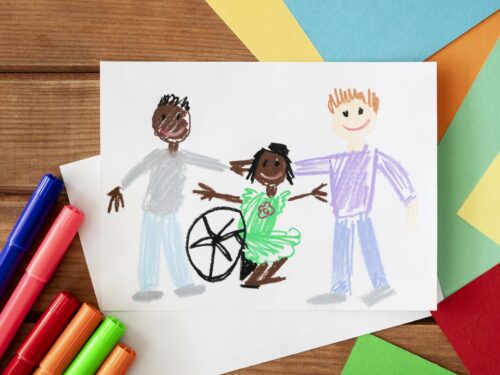
Children’s drawing showing three figures standing together, one seated in a wheelchair, surrounded by colourful craft materials.
https://bswcommunityservices.co.uk/wp-content/uploads/2025/03/hand-drawn-disabled-child-friends-500x375.jpg
Children’s drawing showing three figures standing together, one seated in a wheelchair, surrounded by colourful craft materials.
 https://bswcommunityservices.co.uk/wp-content/uploads/2026/03/high-angle-kid-playing-indoors-500x333.jpg
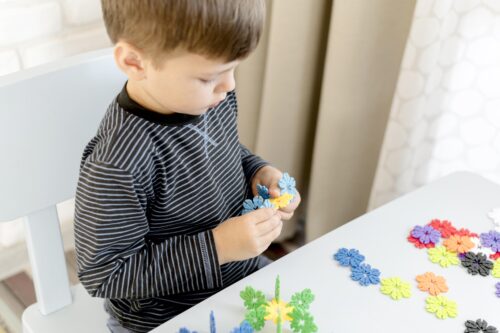
A child sits at a table assembling colourful interlocking plastic pieces.
https://bswcommunityservices.co.uk/wp-content/uploads/2026/03/high-angle-kid-playing-indoors-500x333.jpg
A child sits at a table assembling colourful interlocking plastic pieces.
 https://bswcommunityservices.co.uk/wp-content/uploads/2026/03/HCRG-Family-web-2500x2500-1-e1706869277137-500x277.jpg
A group of five young people sit and stand together outdoors with the sky in the background.
https://bswcommunityservices.co.uk/wp-content/uploads/2026/03/HCRG-Family-web-2500x2500-1-e1706869277137-500x277.jpg
A group of five young people sit and stand together outdoors with the sky in the background.
https://bswcommunityservices.co.uk/wp-content/uploads/2026/03/HCRG-Family-web-2500x2500-1-e1706869277137-500x277.jpg
A group of five young people sit and stand together outdoors with the sky in the background.
https://bswcommunityservices.co.uk/wp-content/uploads/2026/03/HCRG-Family-web-2500x2500-1-e1706869277137-500x277.jpg
A group of five young people sit and stand together outdoors with the sky in the background.